The phrase “eating clean” has become a buzzword in wellness circles, often used to describe everything from cutting out processed foods to following strict diets that eliminate entire food groups. While the term sounds appealing, it has also been co-opted in ways that can make it confusing or even intimidating. At its worst, “clean eating” has been associated with rigid rules that create guilt around food choices, turning meals into a moral test instead of a source of nourishment and enjoyment. To make sense of it in a real, practical way, eating clean should not be about perfection or restriction. Instead, it should be understood as an approach to food that emphasizes balance, whole ingredients, and sustainability—something that supports both health and quality of life without adding unnecessary stress.
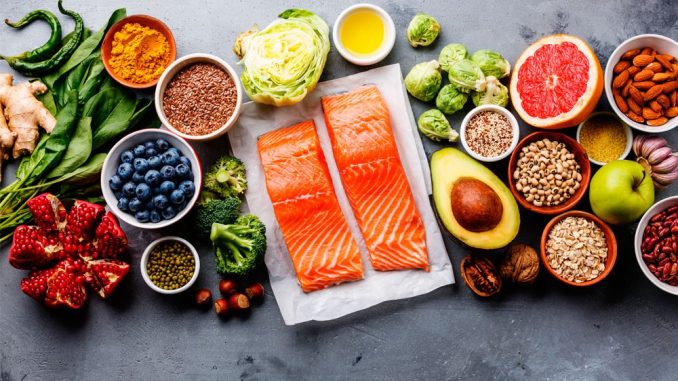
At its core, eating clean in a real way means prioritizing foods as close to their natural state as possible. This doesn’t mean you must avoid all processed items, as some processing is necessary and even beneficial, such as freezing vegetables or fortifying grains. Rather, it means choosing foods that provide genuine nutrition over those stripped of it. Think fresh vegetables, fruits, whole grains, lean proteins, and healthy fats that give the body the fuel and building blocks it needs to function well. These foods are rich in vitamins, minerals, fiber, and antioxidants that support everything from energy levels to long-term disease prevention. By contrast, heavily refined products loaded with added sugars, salt, or artificial ingredients provide far less value, often leaving the body craving more while offering little true nourishment.
However, eating clean in a real-world sense is also about flexibility and context. Life is full of moments that involve convenience foods, restaurant meals, or celebrations that may not align with the “ideal” definition of clean eating. Rather than labeling these moments as failures, a realistic approach recognizes that balance over time matters more than any single meal. For example, enjoying a burger at a family barbecue doesn’t undo a week of balanced eating. Similarly, grabbing a packaged snack during a busy day doesn’t have to conflict with your overall health goals if the majority of your choices are supportive. In this way, eating clean becomes less about following rigid rules and more about creating a sustainable rhythm that fits into real life.
Another dimension of clean eating that often gets overlooked is the importance of how food is prepared and consumed. Cooking at home, even simple meals, allows greater control over ingredients and reduces reliance on hidden sugars, oils, or additives often found in restaurant or prepackaged meals. But it’s not just about what goes into the food—it’s also about how you experience it. Eating slowly, savoring flavors, and paying attention to hunger and fullness cues transform meals into more mindful experiences. This mindful approach supports digestion, reduces overeating, and makes eating feel less like a checklist of rules and more like an act of care.
There is also a broader perspective to eating clean that connects to sustainability and food sourcing. Choosing local produce, seasonal foods, or responsibly sourced proteins not only supports health but also aligns with values that extend beyond the individual. For many people, eating clean is not just about what is on the plate but also about how it arrived there—whether it was grown responsibly, whether it reduces unnecessary waste, and whether it contributes to a healthier environment. While not everyone has equal access to these options, even small steps, like choosing more plant-based meals or reducing food waste, can align eating habits with a bigger picture of well-being.
It’s important to address the psychological aspect as well. Clean eating, when misinterpreted, can create a sense of moral hierarchy around food, where eating a salad feels virtuous and enjoying dessert feels shameful. This black-and-white thinking not only damages the relationship with food but can also lead to disordered eating patterns. Eating clean in a real way avoids this trap by focusing on nourishment and enjoyment rather than judgment. A piece of chocolate can be part of a balanced diet just as much as a bowl of vegetables. What matters is the overall pattern, not perfection. This perspective reduces guilt, making food choices empowering rather than restrictive.
For professionals, this more practical approach to clean eating also translates into better energy and focus. Meals that emphasize whole, nutrient-dense foods stabilize blood sugar, preventing the energy crashes that follow processed or sugary options. Steady energy supports clearer thinking and better decision-making throughout the day, which is essential in high-pressure environments. Clean eating, when done realistically, becomes less about aesthetics or strict rules and more about creating a foundation for consistent performance. It supports both physical health and professional resilience, allowing you to bring your best energy to work and to life.
Ultimately, eating clean in a real way means embracing food that is nourishing, balanced, and enjoyable while avoiding the pressure of rigid ideals. It is about making thoughtful choices most of the time, without turning meals into tests of willpower. It acknowledges the realities of busy schedules, social events, and personal preferences while still prioritizing long-term health. When defined this way, clean eating is not a diet or a trend—it is a practical, sustainable approach to fueling the body and mind. By keeping the focus on nourishment, flexibility, and enjoyment, eating clean becomes a way of living that supports both well-being and the ability to thrive in all areas of life.
Would you like me to also create a condensed 400–500 word version of this article that could work well as a professional wellness insight for newsletters or LinkedIn?