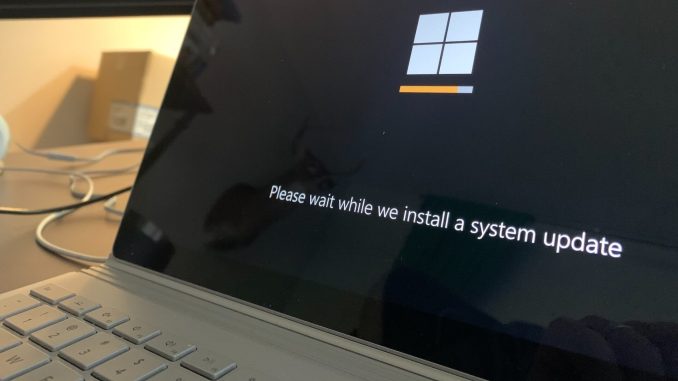
Software updates are often marketed as essential improvements—patches that fix bugs, enhance security, and introduce new features. For businesses and consumers alike, they represent progress, a way to keep systems current and competitive. Yet, despite their good intentions, updates can sometimes wreak havoc on devices, causing performance issues, compatibility problems, or even complete system failures. This paradox raises an important question: why do updates, designed to improve our technology, occasionally end up breaking it?
The answer lies in the complexity of modern software ecosystems. Devices today are no longer isolated machines running a single program. They are intricate systems composed of operating systems, firmware, drivers, third-party applications, and user configurations—all interacting in real time. When a software update is released, it must integrate seamlessly into this web of dependencies. Even a minor change in one component can ripple through the system, triggering unexpected consequences. For example, an update to a mobile operating system might inadvertently disable a widely used app because the app’s developer hasn’t yet optimized it for the new version. Users experience this as a sudden malfunction, but the root cause is a mismatch in timing and compatibility.
Hardware diversity adds another layer of complexity. Unlike tightly controlled environments such as Apple’s ecosystem, many platforms—especially those based on Android or Windows—support a wide range of devices from different manufacturers. Each device may have unique hardware specifications, custom drivers, or proprietary firmware. A software update that works flawlessly on one model might cause overheating, battery drain, or connectivity issues on another. This is particularly problematic for businesses managing fleets of devices, where a single update can disrupt operations across multiple endpoints. The challenge for developers is to anticipate and test for every possible configuration, which is often impractical given the sheer number of variables.
User behavior and customization also play a significant role. People personalize their devices in countless ways, installing niche applications, tweaking settings, or using accessories that interact with the system. These customizations can interfere with updates in unpredictable ways. A business user might rely on a legacy accounting tool that hasn’t been updated in years. When the operating system receives a major upgrade, that tool may no longer function, leading to workflow disruptions and potential data loss. From the developer’s perspective, it’s impossible to account for every third-party dependency, especially when those dependencies are outdated or poorly maintained.
Another factor is the pace of innovation. Software companies are under constant pressure to release updates quickly, whether to patch security vulnerabilities, respond to user feedback, or stay ahead of competitors. This urgency can lead to rushed releases that haven’t been thoroughly tested across all scenarios. While most updates go through rigorous quality assurance processes, some bugs inevitably slip through. In high-stakes environments—such as healthcare, finance, or industrial control systems—these bugs can have serious consequences. A malfunctioning update might compromise patient records, disrupt financial transactions, or halt production lines. The cost of such failures goes far beyond inconvenience; it can impact reputation, compliance, and revenue.
Communication gaps between developers and users further complicate the issue. Updates are often delivered with vague release notes or technical jargon that doesn’t clearly explain the changes or potential risks. Users may install updates without understanding their implications, assuming that newer always means better. In reality, some updates are designed for specific use cases or may require additional steps to ensure compatibility. Without clear guidance, users are left to troubleshoot problems on their own, which can be frustrating and time-consuming. For businesses, this translates into increased support costs and lost productivity.
Even the update process itself can be a source of failure. Interruptions during installation—such as power loss, network instability, or insufficient storage—can corrupt files and render devices unusable. In some cases, the update mechanism may be flawed, failing to verify the integrity of downloaded files or skipping critical steps. These technical glitches are rare but not unheard of, and they underscore the importance of robust update infrastructure. Enterprises often mitigate this risk by staging updates, testing them in controlled environments before rolling them out broadly. However, this approach requires resources and discipline, which not all organizations can afford.
Despite these challenges, it’s important to recognize that software updates remain a vital part of digital life. They protect devices from emerging threats, improve functionality, and keep systems aligned with evolving standards. The key is not to avoid updates, but to approach them strategically. Businesses should invest in proper change management, including backup protocols, compatibility testing, and user training. Developers, in turn, must prioritize transparency, stability, and backward compatibility. When both sides work together, updates can fulfill their promise without compromising reliability.
Ultimately, the occasional disruption caused by software updates is a symptom of progress. As technology becomes more powerful and interconnected, the margin for error narrows. What seems like a simple patch is, in reality, a delicate operation performed on a living system. Understanding this complexity helps businesses make informed decisions, balancing the need for innovation with the imperative of stability. And while no update is ever risk-free, a thoughtful approach can turn potential pitfalls into opportunities for growth and resilience.