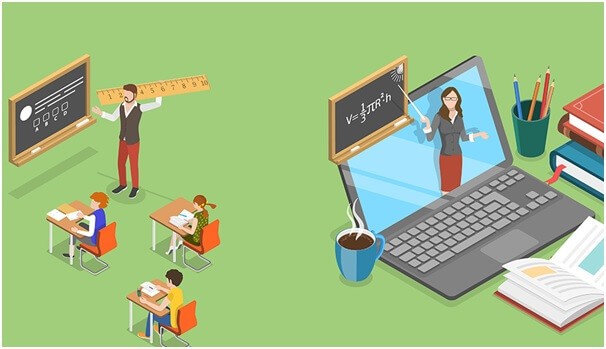
The concept of hybrid classrooms has evolved rapidly in recent years, driven by necessity and shaped by innovation. What began as a response to global disruption has now become a viable and increasingly preferred model for delivering education. Hybrid classrooms blend in-person and online learning experiences, offering flexibility, accessibility, and personalization that traditional formats often struggle to provide. As technology continues to advance and educational needs diversify, the future of hybrid classrooms promises to be more dynamic, inclusive, and strategically aligned with the demands of both learners and the broader workforce.
One of the most compelling aspects of hybrid learning is its ability to accommodate different learning styles and life circumstances. Students are no longer confined to a single mode of instruction or a rigid schedule. Instead, they can engage with content in ways that suit their preferences, whether that means attending live sessions, watching recorded lectures, participating in discussion forums, or collaborating on digital platforms. This flexibility is particularly valuable for adult learners, working professionals, and students in remote or underserved areas. It democratizes access to education, allowing more people to participate meaningfully regardless of geography or personal constraints.
From a business perspective, the hybrid classroom model aligns closely with trends in remote work and digital collaboration. Companies are increasingly seeking employees who are comfortable navigating virtual environments, managing their own time, and communicating effectively across platforms. Hybrid learning cultivates these skills early on, preparing students not just for academic success but for professional readiness. The ability to toggle between in-person and online interactions mirrors the modern workplace, where meetings, projects, and relationships often span physical and digital spaces. Educators who embrace hybrid models are essentially training students to thrive in this blended reality.
Technology plays a central role in shaping the future of hybrid classrooms, but it’s not just about having the right tools—it’s about using them thoughtfully. Platforms that support video conferencing, content management, and real-time collaboration are foundational, but the real value lies in how they’re integrated into the learning experience. A well-designed hybrid classroom doesn’t simply replicate traditional lessons online; it reimagines them to leverage the strengths of each format. For example, in-person sessions might focus on discussion and hands-on activities, while online components provide opportunities for reflection, research, and asynchronous engagement. This intentional design creates a richer, more layered educational experience.
The role of the educator is also evolving in hybrid environments. Teachers are no longer just deliverers of content—they are facilitators, mentors, and designers of learning experiences. They must be adept at managing both physical and virtual spaces, fostering community across modalities, and using data to personalize instruction. This shift requires new skills and support, but it also opens up exciting possibilities. Educators can reach more students, experiment with innovative approaches, and create more inclusive classrooms. In many ways, hybrid teaching is a professional development opportunity in itself, pushing educators to grow alongside their students.
Assessment in hybrid classrooms is another area ripe for transformation. Traditional exams and quizzes may still have a place, but hybrid models allow for more diverse and authentic forms of evaluation. Students can demonstrate understanding through projects, presentations, portfolios, and peer feedback. These methods not only provide a more accurate picture of learning but also encourage deeper engagement and creativity. Businesses often assess employees based on outcomes, collaboration, and problem-solving—not just test scores. Hybrid classrooms that mirror these expectations help bridge the gap between education and employment.
Equity and inclusion are critical considerations in the future of hybrid learning. While technology can expand access, it can also exacerbate existing disparities if not implemented carefully. Reliable internet, suitable devices, and digital literacy are prerequisites that not all students possess. Schools and institutions must address these gaps proactively, ensuring that hybrid models do not leave anyone behind. This includes providing resources, training, and support for both students and educators. When done well, hybrid classrooms can be powerful tools for leveling the playing field and empowering all learners to succeed.
The physical classroom itself is also being reimagined. Spaces are becoming more flexible, with movable furniture, integrated technology, and zones for different types of learning. These environments support a variety of activities, from group work to independent study, and can adapt to changing needs. The classroom becomes a hub for connection and collaboration, while the online space extends learning beyond its walls. This fluidity reflects the way modern businesses operate, with teams working across locations and time zones. Hybrid classrooms prepare students to navigate these environments with confidence and competence.
Looking ahead, the future of hybrid classrooms will likely involve greater personalization, powered by data and artificial intelligence. Learning platforms can track progress, identify strengths and weaknesses, and suggest tailored resources. This kind of adaptive learning supports individual growth and helps educators intervene more effectively. It also mirrors the way businesses use data to inform decisions and optimize performance. As education becomes more data-driven, the potential for targeted support and continuous improvement grows.
Ultimately, the future of hybrid classrooms is not about choosing between in-person and online learning—it’s about integrating the best of both. It’s about creating experiences that are flexible, engaging, and relevant. It’s about preparing students for a world that is increasingly hybrid itself, where success depends on the ability to learn, adapt, and collaborate across contexts. As educators, institutions, and businesses continue to explore and refine this model, the possibilities are vast. Hybrid classrooms are not just a response to disruption—they are a blueprint for a more connected, inclusive, and forward-thinking approach to learning.