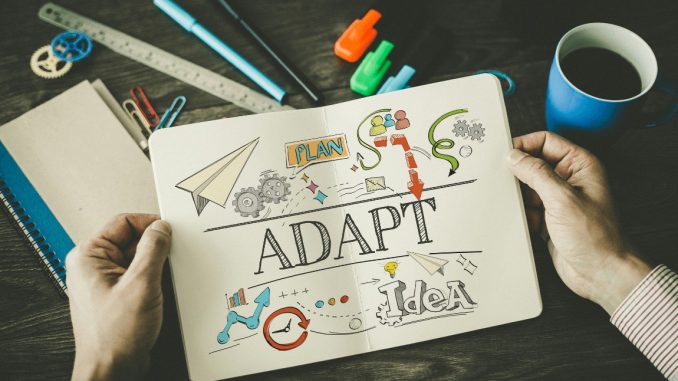
Creating a business that’s built to adapt is less about having a contingency plan and more about cultivating a mindset. In today’s unpredictable landscape, agility isn’t a luxury—it’s a necessity. Markets shift, technologies evolve, customer expectations change, and global events can reshape entire industries overnight. A business that’s built to adapt doesn’t just survive these shifts—it learns from them, responds to them, and often finds opportunity within them. Adaptability is not a reactive trait; it’s a proactive capability embedded in the DNA of the organization.
At the foundation of adaptability is a culture that values learning over certainty. Businesses that thrive in change are those that encourage curiosity, experimentation, and reflection. They don’t cling to rigid processes or fixed identities. Instead, they ask questions, test assumptions, and remain open to feedback. This doesn’t mean abandoning structure—it means designing systems that are flexible enough to evolve. When employees are empowered to challenge norms and propose new approaches, the organization becomes more resilient. It’s not just about pivoting in a crisis; it’s about continuously iterating in pursuit of relevance.
Leadership plays a critical role in shaping this culture. Adaptive leaders model humility and responsiveness. They don’t pretend to have all the answers, and they don’t punish failure. Instead, they create space for dialogue, invite diverse perspectives, and make decisions based on evolving information. This kind of leadership fosters trust, which is essential when navigating uncertainty. People are more willing to embrace change when they feel safe, supported, and included in the process. Adaptability, then, becomes a shared responsibility rather than a top-down directive.
Technology can be a powerful enabler of adaptability, but only when it’s aligned with strategic intent. Tools and platforms should be chosen not just for their features, but for their ability to support experimentation, collaboration, and rapid iteration. Cloud infrastructure, for example, allows businesses to scale up or down quickly. Data analytics can surface emerging trends and customer behaviors. Automation can free up human capacity for creative problem-solving. But technology alone doesn’t make a business adaptive—it’s how the organization uses it to learn, decide, and act that makes the difference.
Customer engagement is another area where adaptability shines. Businesses that listen closely to their customers, respond to their needs, and anticipate their desires are better positioned to evolve. This requires more than surveys and feedback forms—it requires genuine empathy and ongoing dialogue. When companies treat customers as partners rather than targets, they gain insights that fuel innovation. Consider how Spotify continuously refines its recommendation engine based on user behavior, or how Shopify adapts its platform to support emerging e-commerce trends. These companies don’t just react—they co-create with their users.
Adaptability also shows up in how businesses manage talent. In a fast-changing world, static job descriptions and rigid hierarchies can become liabilities. Adaptive organizations invest in learning and development, encourage cross-functional collaboration, and recognize that skills evolve. They hire for potential as much as for experience, and they create pathways for growth that reflect the dynamic nature of work. When people are encouraged to stretch, explore, and reinvent themselves, the organization becomes more capable of doing the same.
One of the most overlooked aspects of adaptability is narrative. How a business tells its story—internally and externally—can either reinforce rigidity or invite evolution. A company that defines itself narrowly may struggle to pivot when circumstances change. But one that frames its mission in terms of values, purpose, or impact can adapt its methods while staying true to its core. This kind of narrative flexibility allows businesses to remain coherent even as they transform. It’s the difference between saying “We sell shoes” and saying “We help people move through the world with confidence.” The latter can evolve across products, channels, and markets without losing its essence.
Adaptability also requires rhythm. It’s not a one-time shift—it’s a continuous practice. Businesses must build in moments of reflection, review, and recalibration. This might take the form of quarterly strategy sessions, agile sprints, or informal check-ins. The format matters less than the commitment to pause and assess. When organizations make reflection a habit, they become better at spotting patterns, surfacing insights, and making timely adjustments. They don’t wait for disruption—they prepare for it.
Ultimately, creating a business that’s built to adapt is about embracing change as a constant companion rather than a threat. It’s about designing systems, cultures, and strategies that are fluid, responsive, and resilient. It’s not easy, and it’s never finished. But it’s deeply rewarding. Adaptive businesses are more innovative, more inclusive, and more enduring. They don’t just chase the future—they help shape it. And in a world that refuses to stand still, that kind of business doesn’t just succeed—it leads.