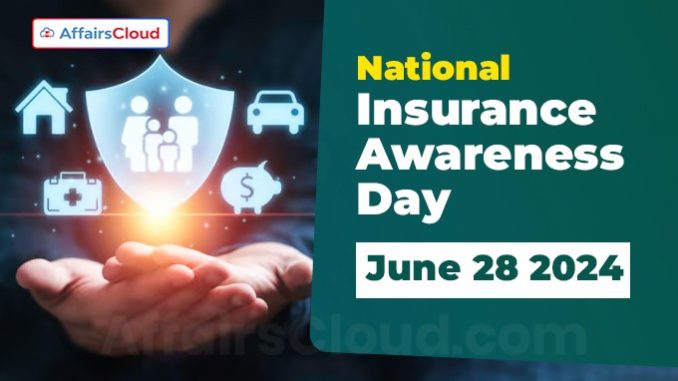
Financial awareness is often associated with budgeting, saving, investing, and understanding cash flow. These are all essential components of a healthy financial life, but they don’t tell the whole story. Insurance, though sometimes overlooked in conversations about financial literacy, is a powerful indicator of financial awareness. It reflects a deeper understanding of risk, responsibility, and long-term planning. When someone engages with insurance thoughtfully, they’re not just protecting assets—they’re demonstrating a proactive mindset that recognizes the unpredictable nature of life and the importance of preparation.
At its core, financial awareness is about knowing where you stand and what you need to safeguard your future. Insurance plays a critical role in this equation by helping individuals and businesses identify potential vulnerabilities and take steps to mitigate them. It’s not just about buying a policy—it’s about understanding why that policy matters, how it fits into your broader financial strategy, and what it protects you from. This level of engagement requires reflection, analysis, and a willingness to confront uncomfortable possibilities. That’s the essence of financial awareness: being honest about risk and intentional about protection.
Consider the example of a young professional who has just started earning a steady income. They may be focused on building savings, paying off student loans, or investing in their future. But if they overlook health insurance or disability coverage, they’re leaving themselves exposed to risks that could derail their progress. Choosing to invest in insurance—even when it feels like an added expense—is a sign of maturity and foresight. It shows that they understand the fragility of financial stability and are willing to take steps to preserve it. That decision is not just financial—it’s philosophical.
For businesses, insurance is a reflection of operational awareness. A company that insures its property, employees, and liabilities is not just complying with regulations—it’s acknowledging the realities of its environment. It’s recognizing that accidents happen, markets shift, and disruptions occur. By securing coverage, the business is saying, “We’re prepared. We’ve thought this through. We’re not just hoping for the best—we’re planning for the worst.” This mindset is what separates reactive organizations from resilient ones. It’s a form of financial awareness that supports continuity, credibility, and strategic growth.
Insurance also encourages regular review and reassessment, which are hallmarks of financial awareness. Life changes—people get married, have children, change jobs, buy homes, and start businesses. Each of these milestones affects financial needs and risk exposure. Revisiting insurance coverage during these transitions ensures that protection remains relevant and effective. It prompts individuals to ask important questions: Is my coverage still adequate? Have my risks changed? Are there new policies that better suit my situation? These questions foster engagement and reflection, turning insurance into an active part of financial planning rather than a passive obligation.
Technology has made it easier to access and manage insurance, but true financial awareness requires more than convenience. It demands understanding. Digital platforms can display policy details, track claims, and offer recommendations, but users must still take the time to engage. They need to read the fine print, ask questions, and seek clarity. When people use technology as a tool for insight rather than just automation, they deepen their financial awareness. They become more informed, more confident, and more capable of making decisions that align with their goals.
Education is a critical factor in this process. Many people feel intimidated by insurance simply because they’ve never been taught how it works. They don’t know what coverage they need, how to evaluate options, or what questions to ask. When insurers invest in education—through content, consultations, or interactive tools—they empower customers to make informed choices. This empowerment is the foundation of financial awareness. It turns confusion into clarity and hesitation into confidence. And when people feel capable of engaging with their coverage, they’re more likely to use it effectively and integrate it into their broader financial strategy.
The emotional dimension of insurance also contributes to financial awareness. Money is deeply tied to stress, security, and decision-making. Insurance provides peace of mind by offering a plan for the unexpected. It allows people to live with less fear and more freedom, knowing that they’ve taken steps to protect themselves and their loved ones. This emotional stability supports better financial behavior. It reduces impulsive decisions, encourages long-term thinking, and fosters a sense of control. In this way, insurance doesn’t just protect finances—it enhances the mindset that drives financial success.
Ultimately, insurance is a form of financial awareness because it reflects intentionality. It’s a decision to prepare, to protect, and to prioritize stability. It’s a commitment to understanding your financial landscape and taking responsibility for your future. That mindset is the essence of financial literacy. It’s not just about numbers—it’s about values, choices, and resilience. And when insurance is approached with this level of thoughtfulness, it becomes more than a policy—it becomes a powerful tool for living with clarity, confidence, and purpose.