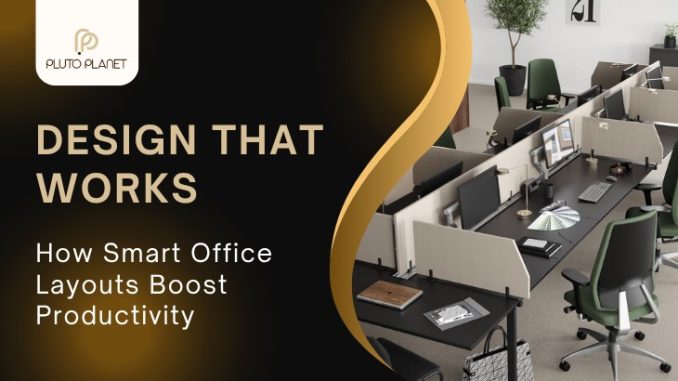
The design of an office is far more than an aesthetic choice. It is a strategic decision that directly influences how people work, how they feel, and ultimately how productive they are. While productivity is often discussed in terms of processes, tools, and management techniques, the physical environment plays a subtle but powerful role in shaping behavior. The way a workspace is arranged, lit, and furnished can either energize employees or drain them, making office design a critical factor in business performance.
One of the most immediate ways office design impacts productivity is through comfort. When employees work in spaces that are ergonomically sound, with chairs that support posture and desks that accommodate natural movement, they are less likely to experience fatigue or discomfort. This physical ease translates into mental focus, allowing people to concentrate on tasks rather than being distracted by aches or strains. Comfort may seem like a small detail, but over time it has a profound effect on output and engagement.
Lighting is another element that shapes productivity in significant ways. Natural light has been shown to improve mood, reduce stress, and increase alertness. Offices that maximize daylight create environments where employees feel more energized and less confined. Conversely, poorly lit spaces can lead to eye strain, lethargy, and even a sense of disconnection. The choice of lighting design, whether through windows, skylights, or well-placed fixtures, influences not only how people see their work but also how they experience their day.
The layout of an office also determines how effectively people collaborate. Open spaces encourage interaction and the exchange of ideas, while private areas allow for concentration and deep work. Striking the right balance between openness and privacy is essential. Too much openness can lead to distractions, while too much isolation can stifle communication. A well-designed office provides flexibility, offering spaces for teamwork as well as quiet zones for focus. This adaptability ensures that employees can choose the environment that best suits their task, which enhances efficiency.
Color and design aesthetics may seem secondary, but they play a psychological role in shaping productivity. Bright, vibrant colors can stimulate creativity and energy, while softer tones promote calm and focus. The visual atmosphere of an office influences mood, and mood directly affects performance. A workspace that feels inspiring encourages employees to bring enthusiasm to their work, while a dull or sterile environment can dampen motivation. Thoughtful design choices create an emotional connection between employees and their workplace, reinforcing a sense of belonging and pride.
Noise control is another factor often overlooked in office design. Excessive noise can be one of the biggest productivity killers, leading to stress and reduced concentration. Offices that incorporate sound-absorbing materials, designated quiet areas, or thoughtful spatial planning help minimize distractions. When employees feel they can control their environment, they are more likely to stay engaged and produce quality work. The ability to manage noise levels is not just a matter of comfort but a direct contributor to efficiency.
Office design also shapes productivity by influencing movement. Spaces that encourage employees to move around, whether through strategically placed meeting areas, break zones, or collaborative hubs, prevent the stagnation that comes from sitting in one place all day. Movement stimulates energy and creativity, and offices that integrate opportunities for mobility foster healthier, more dynamic work habits. This design approach recognizes that productivity is not about constant sitting but about maintaining a rhythm that keeps people engaged.
Technology integration is another dimension where design matters. Offices that seamlessly incorporate tools such as charging stations, video conferencing setups, and digital collaboration boards reduce friction in daily tasks. When technology is easily accessible and supported by the physical environment, employees spend less time troubleshooting and more time working. Design that anticipates technological needs ensures that productivity is not hindered by logistical barriers.
The emotional impact of office design cannot be underestimated. A workspace that feels welcoming and aligned with company values reinforces culture and identity. Employees who feel connected to their environment are more likely to feel connected to their work. This sense of alignment fosters motivation and loyalty, both of which are essential for sustained productivity. An office that reflects the mission of the business becomes more than a place to work; it becomes a space that inspires purpose.
Flexibility in design is increasingly important as work styles evolve. Hybrid models, remote collaboration, and diverse employee needs require offices that can adapt. Spaces that can be reconfigured easily, with movable furniture and modular layouts, allow businesses to respond to changing demands. This adaptability ensures that productivity is not compromised by rigid structures but supported by environments that evolve alongside the workforce. Flexibility in design is not just a convenience; it is a necessity for modern productivity.
The role of office design in shaping productivity also extends to well-being. Incorporating elements such as plants, relaxation areas, or wellness rooms signals that the company values employee health. These features reduce stress and create a sense of balance, which in turn enhances focus and performance. When employees feel cared for, they are more likely to invest energy into their work. Design that prioritizes well-being creates a virtuous cycle where health supports productivity and productivity supports success.
Leadership plays a role in how office design is perceived and utilized. When leaders actively engage with the workspace, using it to foster collaboration and communication, employees follow suit. Design alone cannot drive productivity; it must be paired with behaviors that reinforce its purpose. Leaders who model the use of collaborative spaces or encourage breaks in designated areas demonstrate that the environment is meant to support, not restrict, productivity. This alignment between design and leadership strengthens the impact of the workspace.
Ultimately, office design shapes productivity because it shapes experience. The environment in which people spend their working hours influences how they feel, how they interact, and how they perform. A well-designed office is not just a backdrop but an active participant in the success of a business. It creates conditions where employees can thrive, where creativity can flourish, and where efficiency becomes natural. Businesses that recognize this truth invest not only in furniture and layouts but in the productivity and well-being of their people.
In the end, productivity is not solely the result of individual effort or managerial oversight. It is the product of an ecosystem where design, culture, and behavior intersect. Office design is a powerful lever in that ecosystem, shaping the way people work and the results they achieve. By creating spaces that are comfortable, inspiring, and adaptable, businesses unlock the hidden potential of their workforce. The design of an office may seem like a detail, but in reality, it is one of the most influential factors in driving productivity and long-term success.