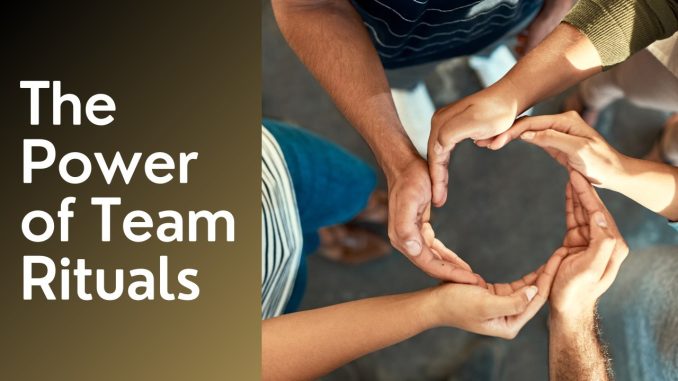
In the modern workplace, where teams are often dispersed across geographies and connected primarily through digital platforms, the challenge of building a strong and cohesive culture has never been greater. One of the most effective yet often overlooked tools for strengthening team culture is the use of rituals. Rituals are not just routines or habits; they are intentional practices that carry meaning, reinforce values, and create a sense of belonging. When thoughtfully designed, they can transform the way teams interact, collaborate, and grow together.
Rituals provide structure in environments that can otherwise feel chaotic. In fast-moving organizations, where priorities shift and deadlines loom, rituals act as anchors. They remind teams of what matters most and create consistency amidst change. A simple practice, like beginning meetings with a moment of reflection or ending the week with a shared celebration of achievements, can instill stability and rhythm. This consistency helps employees feel grounded, even when external pressures are high.
Beyond structure, rituals foster connection. Teams thrive when members feel bonded not only by tasks but also by shared experiences. Rituals create opportunities for these experiences, whether through daily check-ins, regular recognition ceremonies, or informal traditions that bring people together. These moments of connection build trust and camaraderie, which are essential for collaboration. When individuals feel part of something larger than themselves, they are more likely to contribute wholeheartedly and support one another.
Rituals also serve as powerful carriers of culture. Values and principles can be written in handbooks or displayed on office walls, but they come alive through rituals. A company that values innovation might establish a ritual of weekly brainstorming sessions where every idea is welcomed, no matter how unconventional. A team that prioritizes inclusivity might create rituals that ensure every voice is heard during discussions. These practices reinforce cultural values in tangible ways, making them part of everyday life rather than abstract concepts.
The emotional impact of rituals should not be underestimated. They provide meaning and create memories that stick with people long after the workday ends. Employees often recall the rituals of their teams more vividly than specific projects or tasks. These shared experiences become part of the collective identity of the group. Over time, they shape how people perceive their workplace and influence whether they feel proud to be part of it. A strong emotional connection to team rituals can increase engagement and reduce turnover.
Rituals also play a role in motivation. Recognition rituals, for instance, can energize teams by celebrating progress and accomplishments. When achievements are acknowledged consistently, employees feel valued and motivated to continue performing at their best. Rituals that highlight learning and growth can inspire individuals to take risks and embrace challenges. By embedding motivation into the rhythm of team life, rituals help sustain momentum and drive performance.
In times of change or uncertainty, rituals provide reassurance. Organizations often face transitions, whether through restructuring, leadership changes, or external disruptions. Rituals offer continuity during these moments, reminding teams of their shared identity and values. Even small practices, like maintaining a regular team gathering or continuing a tradition of celebrating milestones, can provide comfort and stability. Rituals act as a thread that ties the past to the present, helping teams navigate change with resilience.
The adaptability of rituals is another reason they are so powerful. They can evolve as teams grow, as cultures shift, and as new challenges arise. A ritual that begins as a small practice within a startup can scale into a defining tradition as the company expands. Similarly, rituals can be adjusted to suit remote or hybrid environments, ensuring that culture remains strong even when physical proximity is limited. The flexibility of rituals allows them to remain relevant and impactful across different contexts.
Leaders play a crucial role in shaping and sustaining rituals. Their participation signals that rituals are not superficial but integral to the team’s identity. When leaders actively engage in rituals, they demonstrate commitment to the values those practices represent. This involvement encourages employees to take rituals seriously and to see them as meaningful rather than obligatory. Leadership presence in rituals reinforces their importance and ensures they remain authentic.
It is important to distinguish rituals from routines. While routines are often functional and task-oriented, rituals carry symbolic meaning. A routine might involve checking emails at the start of the day, while a ritual could involve sharing a motivational thought or expressing gratitude before diving into work. The symbolic nature of rituals is what makes them memorable and impactful. They elevate ordinary actions into experiences that strengthen bonds and reinforce culture.
Rituals also contribute to inclusivity. When designed thoughtfully, they create spaces where everyone can participate and feel valued. Inclusive rituals ensure that diverse perspectives are acknowledged and celebrated. They can break down barriers between departments, hierarchies, or cultural backgrounds, fostering unity across the organization. By embedding inclusivity into rituals, businesses create cultures where people feel respected and empowered.
The long-term benefits of rituals extend beyond team culture. They influence brand identity, customer experience, and organizational reputation. A company known for its strong internal rituals often projects authenticity externally. Customers and partners sense the cohesion and values that rituals cultivate, which can enhance trust and loyalty. In this way, rituals not only strengthen internal dynamics but also contribute to broader business success.
Ultimately, the power of rituals in team culture lies in their ability to humanize the workplace. They remind us that work is not just about tasks and outcomes but about people, relationships, and shared meaning. Rituals transform ordinary moments into opportunities for connection, reflection, and celebration. They create cultures that are resilient, inclusive, and inspiring. For businesses seeking to build teams that thrive, investing in rituals is not just a cultural choice—it is a strategic advantage.
When teams embrace rituals, they cultivate environments where people feel connected, valued, and motivated. These practices become the heartbeat of the organization, sustaining culture through growth, change, and challenge. In the end, rituals are not just about what teams do together; they are about who they become together. And that transformation is what makes rituals one of the most powerful tools in shaping team culture.