In the demanding world of entrepreneurship, business owners are accustomed to meticulously planning for every conceivable risk: market fluctuations, supply chain disruptions, competitive pressures, and operational challenges. They invest in property insurance, liability coverage, and cyber protection to safeguard their ventures. Yet, a critical vulnerability often remains unaddressed, a blind spot that can cripple not just personal finances but the very continuity of the business itself: the owner’s own disability. Understanding “The Benefits of Disability Insurance for Business Owners” is not merely about personal protection; it is a fundamental strategic imperative for ensuring the longevity, stability, and ongoing success of the enterprise they have painstakingly built.
For most entrepreneurs, their ability to work is their greatest asset. It is the engine that drives revenue, manages operations, innovates, and secures funding. If that engine suddenly stops due to illness or injury, the financial ramifications can be immediate and severe, impacting both personal income and business operations. Unlike employees who might have access to group disability benefits through an employer, business owners often lack this crucial safety net. This is where disability insurance, tailored specifically for entrepreneurs, becomes an indispensable tool.
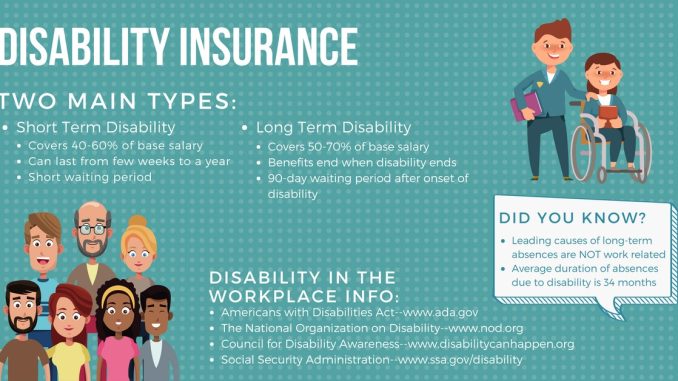
One of the most immediate and profound benefits of disability insurance for a business owner is income replacement. Personal expenses don’t cease simply because you’re unable to work. Mortgages, rent (perhaps for a home in Bangkok), utilities, food, school fees, and other essential living costs continue to accrue. Individual disability income insurance is designed to replace a significant portion (typically 60-80%) of your personal income if you become disabled and cannot perform the duties of your occupation. This ensures that you can continue to meet your personal financial obligations, preventing you from having to deplete savings, incur debt, or prematurely draw from your business’s capital reserves at a vulnerable time. It provides a crucial lifeline, allowing you to focus on recovery without the crushing burden of immediate financial distress.
Beyond personal income protection, disability insurance offers a unique set of benefits directly safeguarding the business itself. The most vital of these is Business Overhead Expense (BOE) insurance. Imagine being sidelined by an illness or injury. Your business’s revenue likely plummets, but fixed operating expenses—rent for your office or storefront, utilities, employee salaries (for non-owner employees), loan repayments, equipment leases, and advertising costs—continue unabated. BOE insurance is specifically designed to reimburse these eligible overhead expenses during a period of the owner’s disability. This ensures the business can continue to operate smoothly, pay its bills, and retain valued staff even in your absence, preventing a temporary personal health crisis from spiraling into a permanent business closure. It provides essential liquidity and continuity, much like a robust cash reserve for unexpected operational challenges.
For businesses with multiple owners or partners, Disability Buy-Sell (or Buy-Out) insurance is a strategic necessity. Partnership agreements often include “buy-sell” clauses that outline what happens if a partner dies or becomes permanently disabled. Disability Buy-Sell insurance provides the funds necessary for the healthy partner(s) to purchase the disabled partner’s share of the business. This ensures a smooth, orderly transition of ownership, provides fair compensation to the disabled partner or their family, and maintains the stability and continuity of the business without forcing the remaining partners to liquidate assets or take on crippling debt to finance the buyout. It provides an objective, pre-funded mechanism for addressing a potentially contentious and financially draining situation, allowing the business to move forward decisively.
Another crucial benefit, particularly for smaller businesses or those heavily reliant on specific individuals, is Key Person Disability Insurance. If a critical employee, whose unique skills or relationships are indispensable to the company’s revenue generation or operations, becomes disabled, the business faces significant financial losses from reduced sales, increased expenses for temporary replacements, and the costs associated with finding and training a suitable long-term replacement. Key Person Disability insurance provides a lump sum or monthly payments to the business to offset these financial impacts. This coverage allows the business to weather the storm, cover debts, retain other staff, and strategically manage the period until the key person returns or a qualified replacement is found.
Furthermore, disability insurance can also be tailored to cover business loan obligations. Many entrepreneurs take out loans for start-up capital, equipment purchases, expansion, or working capital. If the owner becomes disabled, their ability to service these debts can be severely compromised, potentially triggering defaults that damage credit and jeopardize the business’s future. Specific disability policies or riders can provide payments to help cover the cost of business loans and other contractual financial obligations during the period of disability, providing an essential layer of debt protection.
When considering disability insurance, business owners should pay close attention to the definition of disability within the policy. “Own occupation” coverage is generally more comprehensive and desirable, meaning you are considered disabled if you cannot perform the duties of your specific job, even if you could theoretically work in another field. “Any occupation” coverage is more restrictive, only paying benefits if you cannot perform any job for which you are reasonably suited. The “elimination period” (the waiting period before benefits begin) and the “benefit period” (how long benefits will be paid) are also crucial factors that influence premiums and the extent of protection.
In conclusion, for business owners, disability insurance is not an optional extra but a cornerstone of comprehensive risk management. By securing income replacement for themselves, covering business overhead expenses, enabling buy-sell agreements for partnerships, protecting against the loss of key personnel, and safeguarding loan obligations, entrepreneurs can build a formidable shield against the profound financial and operational impacts of a disability. This proactive investment transforms a major personal health crisis from a potential business catastrophe into a manageable challenge, ensuring the longevity, stability, and enduring success of the enterprise they have worked so diligently to create. It is a testament to the foresight that defines true leadership, applied not just to markets and balance sheets, but to the invaluable human capital at the heart of every thriving business.