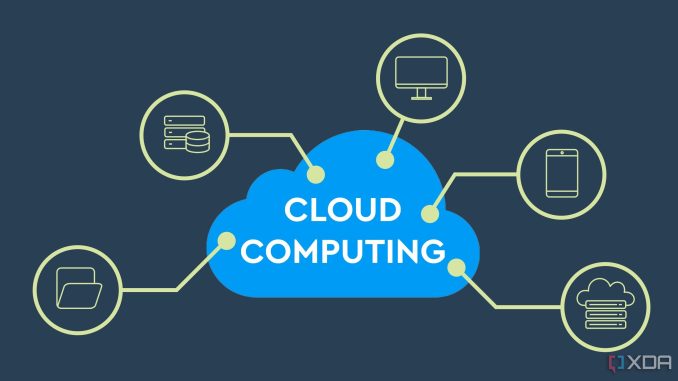
The ubiquitous “cloud” has become far more than just a buzzword; it represents a fundamental paradigm shift in how we approach one of the most critical aspects of the digital age: data. No longer confined to physical hard drives tethered to individual machines or cavernous on-premises data centers, information now floats in a vast, interconnected digital ether, accessible from virtually anywhere on the globe. This transformation is profoundly reshaping not only where we store our ever-growing deluge of data, but also how we interact with it, collaborate on it, and ultimately derive value from it. The implications for individuals, businesses, and indeed, entire economies, are nothing short of revolutionary.
At the heart of this revolution lies the concept of distributed storage. In the traditional model, data resided on a specific server or computer. If that hardware failed, or if access to that physical location was compromised, the data was at risk. The cloud, by contrast, disperses data across multiple servers, often in geographically diverse locations, managed by a third-party provider. This inherent redundancy and resilience mean that even if one server or data center experiences an issue, your data remains safe and accessible from another. For businesses, this translates into significantly enhanced disaster recovery capabilities, ensuring business continuity even in the face of unforeseen calamities like natural disasters or local power outages. For individuals, it means the peace of mind that comes from knowing your cherished photos, important documents, and essential backups are secure, regardless of what happens to your personal devices.
Beyond mere storage, the cloud has fundamentally altered the dynamics of data accessibility. The days of emailing large attachments back and forth, or relying on flash drives to share files, are increasingly becoming relics of the past. Cloud platforms enable real-time access to data from any internet-enabled device, anywhere in the world. This profound shift has democratized access to information, liberating individuals and teams from geographical constraints. A sales team on the road can access the latest client presentations, a medical professional can review patient records from a remote clinic, and dispersed creative teams can collaborate seamlessly on large design files. This “anytime, anywhere” accessibility is not merely a convenience; it is a catalyst for productivity, enabling agile workflows and fostering unprecedented levels of collaboration that were once unimaginable without significant logistical hurdles.
Furthermore, the cloud introduces an unparalleled level of scalability and flexibility that traditional storage methods simply cannot match. Businesses no longer need to make substantial upfront capital expenditures on physical infrastructure, predicting their future storage needs and often over-provisioning to avoid running out of space. With cloud storage, resources can be scaled up or down almost instantly, on demand, paying only for what is consumed. This pay-as-you-go model transforms capital expenditure into operational expenditure, freeing up valuable capital that can be reinvested into core business activities. For a burgeoning startup, this means rapid growth without the burden of building out a massive IT infrastructure. For an established enterprise, it allows for dynamic adjustments to fluctuating workloads, optimizing costs and ensuring that computing resources are always aligned with current demand.
However, the reshaping of data storage and sharing by the cloud is not without its considerations. Security and privacy, while often enhanced by the robust measures of major cloud providers, remain paramount concerns. Entrusting sensitive data to a third party requires a high degree of trust in their security protocols, encryption methods, and compliance certifications. Organizations must carefully vet their cloud providers and implement their own robust security practices, including strong access controls and data encryption, to protect against potential breaches. Similarly, reliance on an internet connection means that access to your data is contingent on network availability and speed. While generally reliable, outages or slow connections can impact productivity and accessibility.
Despite these considerations, the overarching impact of the cloud on data storage and sharing is undeniably transformative. It has moved data from being a static asset to a dynamic, fluid resource, capable of being analyzed, processed, and shared in real-time. This has fueled the explosion of big data analytics, artificial intelligence, and machine learning, as massive datasets can now be stored and processed at scale, unlocking unprecedented insights and driving innovation across every industry. From powering streaming services and social media platforms that define modern entertainment and communication, to enabling critical business intelligence and scientific research, the cloud is not just changing how we store information; it is fundamentally altering our relationship with data itself, making it more accessible, more valuable, and more central to our interconnected digital lives.