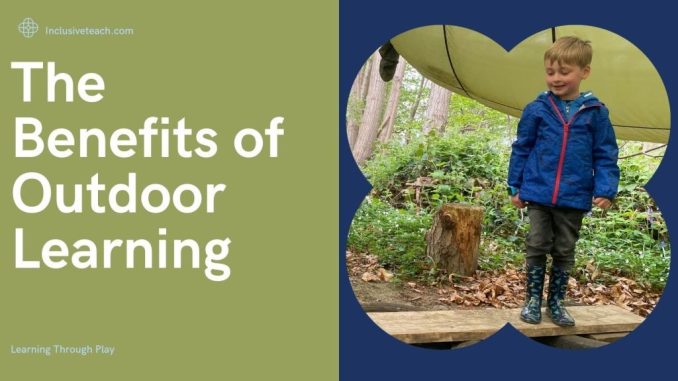
For many years, learning has been closely associated with classrooms—rows of desks, whiteboards, and the familiar walls that frame most educational experiences. Yet an increasing body of research and practice highlights the transformative impact of taking learning outdoors. Outdoor learning is not simply about moving lessons outside for a change of scenery; it is about leveraging the natural environment to deepen understanding, foster engagement, and build essential life skills. Whether in schools, corporate training, or leadership development programs, the outdoors offers unique benefits that traditional indoor settings cannot fully replicate.
One of the most compelling advantages of outdoor learning is the way it stimulates engagement. Nature has an immediate effect on attention and energy levels, reducing fatigue and increasing focus. Learners who might feel restless or disengaged in a conventional classroom often find themselves more alert and motivated outside. For example, students studying biology gain a richer understanding of ecosystems when observing plants and animals directly, rather than only reading about them in textbooks. Similarly, professionals participating in a leadership retreat may absorb lessons more deeply when discussions take place in an open-air setting that encourages reflection and creativity. The change of environment shifts the mindset, making learning feel less like a routine obligation and more like an active exploration.
Outdoor learning also enhances problem-solving and critical thinking by placing learners in dynamic, real-world contexts. Unlike controlled indoor environments, the outdoors is full of unpredictability—weather shifts, uneven terrain, and unexpected challenges. These variables encourage adaptability, quick thinking, and collaboration. Consider a team tasked with completing an outdoor challenge such as building a shelter or navigating a trail. Success requires not just theoretical knowledge but the ability to apply it under pressure, to communicate clearly, and to adjust strategies in real time. These experiences mirror the kinds of challenges faced in business and life, where conditions are rarely perfect and solutions must be creative and flexible.
Another benefit lies in the social dimension of outdoor learning. Being outdoors naturally fosters collaboration and breaks down hierarchies that can feel rigid in formal settings. Conversations that might feel forced in a conference room often flow more naturally during a hike or a group activity in the open air. Shared experiences—whether overcoming an obstacle course or simply working together in a natural environment—build trust and strengthen relationships. This aspect is particularly valuable in corporate settings, where outdoor learning activities are often used to enhance team cohesion, improve communication, and cultivate leadership. The environment itself becomes a catalyst for connection, reminding participants that learning is not just about individual achievement but also about collective growth.
The physical benefits of outdoor learning should not be overlooked. Time spent outside promotes movement, which improves circulation, boosts energy, and reduces stress. Unlike indoor environments where sitting for long periods can hinder concentration, outdoor learning often involves active participation that engages both the body and mind. Research has shown that exposure to natural light and fresh air improves mood and cognitive performance, creating conditions where learners are more receptive and engaged. For professionals in high-pressure environments, this break from screens and enclosed spaces can lead to sharper thinking and renewed motivation upon returning to work.
Outdoor learning also sparks creativity. Environments rich in sensory experiences—sounds of birds, the feel of wind, the sight of expansive landscapes—activate parts of the brain associated with imagination and innovative thinking. Many writers, artists, and entrepreneurs attribute their breakthroughs to time spent outdoors, where the mind is free to wander and connect ideas in new ways. In structured educational settings, incorporating outdoor activities can similarly unlock creativity, whether through open-ended projects, reflective exercises, or brainstorming sessions conducted in natural surroundings. This creative stimulation is increasingly valuable in a business world that prizes innovation and fresh perspectives.
Perhaps most importantly, outdoor learning fosters a deeper sense of connection—to knowledge, to others, and to the world itself. When learners see firsthand how concepts apply beyond the walls of a classroom or office, they gain a sense of relevance that fuels motivation. A lesson on sustainability, for example, has far greater impact when participants observe ecosystems in action, reflecting on the tangible consequences of human activity. This experiential connection reinforces not only intellectual understanding but also emotional investment. Learners walk away not just with facts but with experiences that shape values and inspire action.
The long-term benefits of outdoor learning extend well beyond the immediate experience. Individuals who engage regularly in outdoor learning often develop resilience, independence, and a greater capacity for self-reflection. They learn to embrace uncertainty, to find solutions in unexpected places, and to appreciate the value of stepping away from routine to see challenges from a new angle. For organizations, integrating outdoor learning into training and development strategies creates teams that are not only more skilled but also more adaptable, collaborative, and innovative. For individuals, it instills habits of curiosity and a mindset open to growth, both of which are essential for lifelong learning.
In the end, outdoor learning is not about abandoning traditional classrooms or workspaces but about expanding the possibilities of where and how learning happens. By taking advantage of the outdoors, educators and leaders create opportunities that engage the senses, strengthen relationships, and connect theory to practice in meaningful ways. In a world where attention is fragmented and routines are often confining, the outdoors provides a powerful reminder that learning is not limited to books and screens. It is an active, dynamic process that thrives in environments where curiosity meets experience, and where knowledge is not just learned but lived.