Cold exposure has gained significant attention in recent years, often portrayed as a bold wellness trend embraced by athletes, biohackers, and influencers. Ice baths, cold showers, and cryotherapy sessions have become staples in many health routines, celebrated for their invigorating effects and dramatic visuals. But beyond the trend lies a deeper, more nuanced understanding of why cold exposure matters and how it can support long-term health and performance. When approached thoughtfully, cold exposure offers physiological and psychological benefits that extend far beyond the initial shock of icy water.
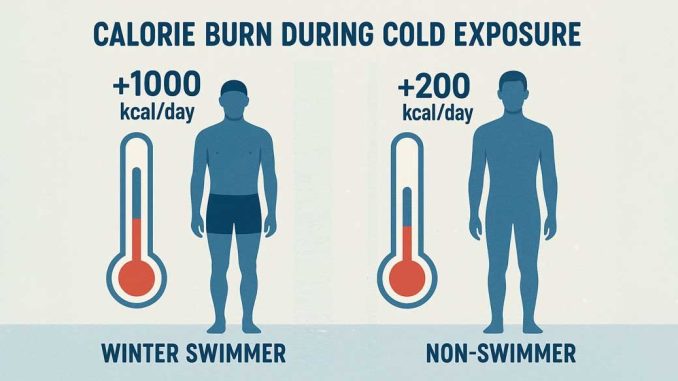
At its core, cold exposure activates a series of biological responses that help the body adapt and strengthen. One of the most well-documented effects is the stimulation of brown adipose tissue, commonly known as brown fat. Unlike white fat, which stores energy, brown fat burns calories to generate heat. This thermogenic process not only helps regulate body temperature but also contributes to improved metabolic function. Regular cold exposure can enhance this mechanism, potentially supporting weight management and insulin sensitivity. These outcomes are particularly relevant in business environments where sedentary lifestyles and high stress levels can compromise metabolic health over time.
Cold exposure also influences the immune system. Short bursts of cold stress have been shown to increase the production of norepinephrine, a hormone and neurotransmitter that plays a role in alertness and inflammation regulation. This response can lead to a temporary boost in immune activity, helping the body become more resilient to illness. While it’s not a substitute for other health practices like sleep, nutrition, and exercise, cold exposure can complement these efforts by reinforcing the body’s natural defense mechanisms. For professionals navigating demanding schedules and frequent travel, this added layer of immune support can be a valuable asset.
The mental benefits of cold exposure are equally compelling. Stepping into cold water requires a level of presence and intentionality that disrupts habitual thought patterns. It forces the mind to focus, to breathe, and to adapt. This practice of controlled discomfort can build psychological resilience, teaching individuals how to stay calm under pressure and recover quickly from stress. In high-stakes business settings, where emotional regulation and mental clarity are essential, these skills translate directly into performance. Cold exposure becomes a form of mental training, sharpening focus and enhancing the ability to navigate uncertainty.
Moreover, cold exposure has been linked to improved mood and reduced symptoms of depression. The release of endorphins and the activation of the sympathetic nervous system during cold immersion can create a sense of euphoria and increased energy. This effect, while temporary, can be a powerful tool for individuals seeking natural ways to elevate their emotional state. It’s not about chasing a high—it’s about creating a consistent practice that supports emotional balance. For leaders and teams working under pressure, integrating cold exposure into wellness routines can foster a more positive and resilient workplace culture.
Importantly, the benefits of cold exposure do not require extreme measures. While ice baths and cryotherapy chambers are popular, even brief exposure to cold water—such as a thirty-second cold rinse at the end of a shower—can trigger beneficial responses. The key is consistency and mindfulness. Cold exposure should be approached gradually, with attention to individual tolerance and safety. It’s not about pushing limits for the sake of performance; it’s about engaging with the practice in a way that supports overall well-being. This perspective helps demystify the trend and makes it accessible to a broader audience.
From a sustainability standpoint, cold exposure also aligns with eco-conscious living. Unlike some wellness practices that require significant resources or specialized equipment, cold exposure can be simple and low-impact. It encourages a connection with natural elements and promotes a lifestyle that values resilience over convenience. In a business world increasingly focused on sustainability and responsible leadership, this alignment adds another layer of relevance. Cold exposure becomes not just a personal health choice, but a reflection of values that prioritize long-term well-being and environmental stewardship.
As with any health practice, context matters. Cold exposure is not suitable for everyone, and individuals with certain medical conditions should consult healthcare professionals before beginning. But for those who can safely engage with it, the practice offers a unique blend of physical, mental, and emotional benefits. It’s not a magic bullet or a fleeting trend—it’s a tool for cultivating strength, clarity, and adaptability. When integrated thoughtfully into daily routines, cold exposure can support a more balanced and resilient approach to life and work.
Ultimately, the appeal of cold exposure lies in its simplicity and depth. It invites us to step outside our comfort zones, to engage with our bodies and minds in new ways, and to discover the power of intentional discomfort. In doing so, it offers a pathway to better health—not through shortcuts or extremes, but through consistent, mindful practice. For professionals seeking to enhance performance, manage stress, and build resilience, cold exposure is more than a trend. It’s a reminder that growth often begins where comfort ends.
Sources: [Dr. Michael Ruscio on Cold Exposure Benefits](https://drruscio.com/cold-exposure-benefits/), [The Sustainable Post on Conscious Cold Practices](https://www.thesustainablepost.com/2025/08/kristin-weitzel-cold-exposure-sustainable-living.html).