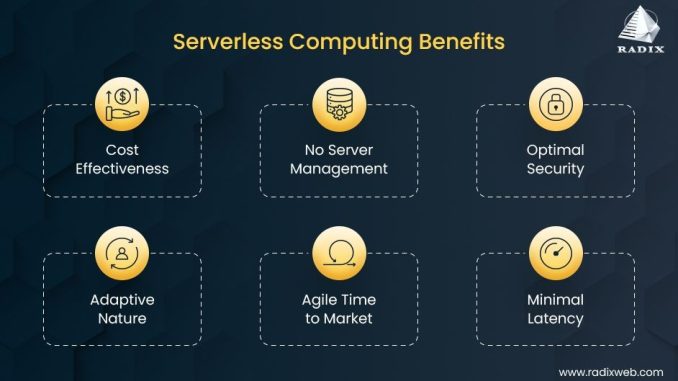
Serverless computing has emerged as a transformative model in cloud architecture, offering a compelling alternative to traditional infrastructure management. At its essence, serverless allows developers to focus solely on writing code without the burden of provisioning, scaling, or maintaining servers. This shift not only streamlines development workflows but also introduces a level of agility and efficiency that aligns well with the fast-paced demands of modern business environments. By abstracting away the underlying infrastructure, serverless computing empowers teams to innovate faster and respond more dynamically to changing needs.
One of the most immediate benefits of serverless computing is its cost efficiency. In conventional models, organizations often pay for server capacity regardless of usage, leading to underutilized resources and inflated expenses. Serverless platforms, on the other hand, operate on a pay-as-you-go basis, charging only for the actual execution time of functions. This granular billing model ensures that businesses are not paying for idle compute power, making it particularly attractive for startups and enterprises looking to optimize their cloud spend. For example, an e-commerce site experiencing seasonal traffic spikes can scale seamlessly during peak periods and scale down during lulls, all without manual intervention or excess cost.
Scalability is another area where serverless computing excels. Traditional applications require careful planning and configuration to handle varying loads, often involving complex autoscaling policies and infrastructure provisioning. Serverless platforms handle this automatically, scaling functions in response to demand with no need for pre-defined thresholds or capacity planning. This elasticity is especially valuable for applications with unpredictable or fluctuating workloads. A media company streaming live events, for instance, can rely on serverless architecture to accommodate sudden surges in viewership without compromising performance or availability.
Speed of development is significantly enhanced in a serverless environment. Developers can deploy individual functions independently, enabling rapid iteration and continuous delivery. This modular approach supports agile methodologies, allowing teams to release updates and new features with minimal friction. Because serverless functions are stateless and isolated, they reduce the risk of unintended side effects, making testing and debugging more straightforward. A fintech startup building a payment processing system might use serverless functions to handle transactions, notifications, and fraud detection separately, accelerating development while maintaining clarity and control.
Operational simplicity is a hallmark of serverless computing. Managing servers, operating systems, and runtime environments can be time-consuming and error-prone. Serverless abstracts these concerns, allowing developers to concentrate on business logic and user experience. This reduction in operational overhead not only improves productivity but also enhances reliability, as the cloud provider assumes responsibility for infrastructure maintenance, patching, and uptime. For IT teams, this means fewer late-night alerts and more time to focus on strategic initiatives. It also reduces the need for specialized infrastructure expertise, democratizing access to scalable computing resources.
Security benefits also arise from the serverless model. While security remains a shared responsibility, serverless platforms often include built-in features such as automatic updates, isolation between functions, and fine-grained access controls. These capabilities help mitigate common vulnerabilities and simplify compliance with industry standards. For example, a healthcare provider using serverless functions to process patient data can leverage cloud-native security tools to enforce encryption, monitor access, and ensure regulatory compliance. The compartmentalized nature of serverless functions also limits the blast radius of potential breaches, enhancing overall system resilience.
Serverless computing supports innovation by lowering the barrier to experimentation. Developers can prototype ideas quickly, test them in production, and scale successful solutions without committing to long-term infrastructure investments. This encourages a culture of creativity and responsiveness, where teams can explore new features, integrations, or business models with minimal risk. A logistics company might experiment with serverless functions to optimize delivery routes using real-time traffic data, refining the approach based on performance and feedback. The ability to iterate rapidly and cost-effectively fosters a more adaptive and forward-thinking organization.
Despite its advantages, serverless computing is not a one-size-fits-all solution. It works best for event-driven applications, short-lived tasks, and services that benefit from high scalability and modularity. Long-running processes, complex workflows, or applications requiring persistent connections may require alternative architectures or hybrid approaches. Understanding the strengths and limitations of serverless is key to leveraging it effectively. Organizations must assess their technical requirements, team capabilities, and strategic goals to determine where serverless fits within their broader cloud strategy.
The benefits of serverless computing are compelling, particularly in a business landscape that values speed, efficiency, and adaptability. By removing the constraints of traditional infrastructure, serverless enables teams to build and scale applications with unprecedented ease. It aligns well with modern development practices, supports cost optimization, and enhances operational resilience. As cloud technologies continue to evolve, serverless computing is poised to play an increasingly central role in how businesses deliver value, innovate, and compete. Embracing this model thoughtfully can unlock new levels of agility and performance, positioning organizations for success in a digital-first world.