The immune system is one of the body’s most sophisticated defense networks, quietly working every day to protect us from infections, repair damage, and keep our internal systems in balance. While genetics and lifestyle both play roles in its effectiveness, diet remains one of the most powerful levers we can control. The foods we consume provide the raw materials our immune system needs to function optimally, from the vitamins that regulate white blood cells to the antioxidants that reduce inflammation. For professionals navigating demanding careers, the quality of immune function is directly tied to performance, since even minor illnesses can disrupt productivity, focus, and energy. Supporting immunity through food is not about quick fixes or miracle ingredients but about consistently choosing nutrient-dense options that strengthen the system over time.
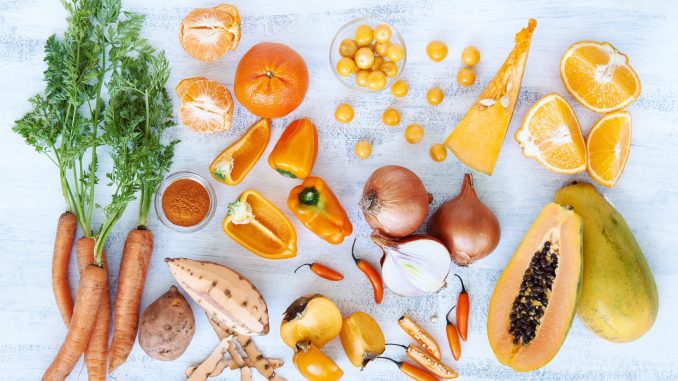
A key player in immune support is vitamin C, a nutrient most people associate with citrus fruits. While oranges, lemons, and grapefruits are excellent sources, vitamin C is also abundant in bell peppers, strawberries, and broccoli. This vitamin enhances the production and function of white blood cells, which are the body’s front-line defenders against infections. For professionals under stress, vitamin C is particularly important because chronic stress can weaken immunity, and antioxidant-rich foods help counteract this effect. Rather than reaching for supplements alone, incorporating colorful produce into meals provides vitamin C alongside fiber and other phytonutrients that further support health.
Equally important is vitamin D, which plays a regulatory role in the immune system by helping to activate T-cells that identify and attack pathogens. Many people, especially those who work long hours indoors, have insufficient levels of vitamin D, which can leave them more vulnerable to illness. While sunlight is the body’s primary source, certain foods can help bridge the gap, including fatty fish like salmon, fortified dairy, and eggs. For professionals whose schedules limit time outdoors, consciously including these foods can make a measurable difference in immune resilience, particularly during winter months when sunlight exposure is minimal.
Zinc is another nutrient that deserves attention for its role in immune strength. Found in foods like lean meats, legumes, pumpkin seeds, and whole grains, zinc supports the development and activation of immune cells while also helping wounds heal more quickly. A deficiency in zinc can weaken the immune response, increasing susceptibility to infections. Including zinc-rich foods in meals is especially valuable during high-stress periods when the body’s demands on the immune system intensify. In practical terms, something as simple as adding beans to a salad or choosing nuts as a snack provides the body with steady support.
Protein, often thought of in terms of muscle building, is also essential for immunity. Antibodies and many other immune molecules are made of protein, which means that inadequate intake can limit the body’s ability to mount an effective defense. Lean meats, poultry, fish, dairy, and plant-based options like lentils, quinoa, and tofu all contribute to meeting these needs. For busy professionals, consistently including a source of protein at each meal ensures that the body has the building blocks it requires not just for daily energy but also for immune defense.
Beyond individual nutrients, the overall quality of diet plays a significant role in regulating inflammation, which is central to immune function. Chronic, low-grade inflammation—often fueled by diets high in refined sugars, processed foods, and unhealthy fats—can weaken the immune system over time. On the other hand, anti-inflammatory foods such as leafy greens, berries, nuts, seeds, and olive oil provide antioxidants and healthy fats that help maintain balance. A professional who opts for a salad with mixed vegetables and olive oil dressing instead of a fast-food option at lunch is not just making a lighter choice but also giving their immune system the compounds it needs to function optimally.
Gut health is another dimension often overlooked in discussions about immunity. Nearly 70 percent of the immune system resides in the gut, where beneficial bacteria help regulate immune responses. Foods rich in fiber, such as whole grains, fruits, and vegetables, feed these bacteria, while fermented foods like yogurt, kefir, sauerkraut, and kimchi introduce beneficial strains directly. For professionals who travel frequently or work under constant stress, maintaining gut balance is particularly important, as disruptions in microbiome diversity can weaken immune defenses. A diet that consistently nourishes gut health creates a stronger, more adaptable immune system overall.
Hydration also plays a subtle but important role in immune health. Fluids help transport nutrients throughout the body, flush out toxins, and keep mucous membranes moist, which serves as a physical barrier against pathogens. Water is the most straightforward option, but herbal teas and water-rich fruits and vegetables can contribute as well. In the context of long workdays, choosing water or unsweetened beverages over excessive caffeine or sugary drinks helps sustain both immune function and overall energy.
It is worth noting that the foods that support immune strength are also those that support broader well-being. A diet built around whole, colorful, nutrient-dense foods provides benefits that extend far beyond immunity, improving cardiovascular health, stabilizing energy, and enhancing cognitive function. For professionals, this overlap is important, because investing in immune health through diet simultaneously improves the ability to think clearly, perform consistently, and recover more effectively from stress.
Ultimately, supporting immune strength through food is less about chasing trends or focusing on single superfoods and more about cultivating a balanced, nutrient-rich diet that consistently supplies the body with what it needs. By including a variety of colorful fruits and vegetables, prioritizing quality protein, maintaining gut health, and staying hydrated, individuals create an environment where the immune system can thrive. For those managing the pressures of demanding careers, this approach not only reduces sick days but also reinforces the steady energy and clarity that drive long-term success. Choosing foods that strengthen immunity is therefore not just a matter of health—it is a strategic investment in resilience, performance, and quality of life.