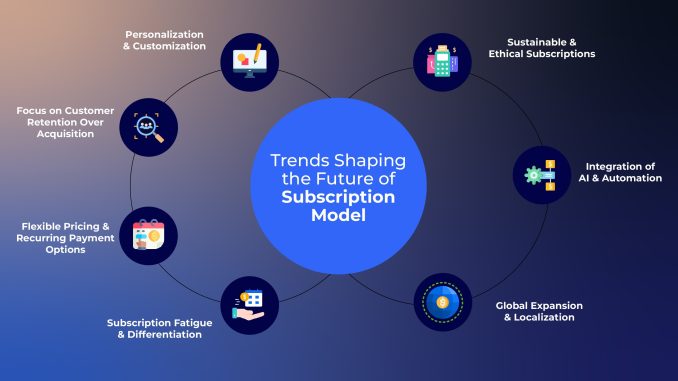
Insurance has traditionally been viewed as a product purchased annually, with premiums paid upfront and coverage locked in for a fixed period. This model has been the backbone of the industry for decades, offering predictability for insurers and a sense of stability for policyholders. Yet as consumer preferences evolve and digital platforms reshape expectations, subscription models are beginning to make their way into the insurance sector. This shift is not only changing how people pay for coverage but also redefining the relationship between insurers and their customers.
The appeal of subscription models lies in their flexibility. Consumers today are accustomed to paying monthly fees for streaming services, fitness apps, and even car ownership alternatives. Insurance delivered in a similar fashion feels more aligned with modern lifestyles. Instead of committing to a year-long policy, customers can opt for coverage that adjusts to their needs, whether that means pausing protection during periods of low risk or scaling it up when circumstances change. This adaptability resonates with a generation that values convenience and personalization over rigid structures.
For insurers, subscription models open new opportunities to engage with customers more frequently. Traditional policies often involve minimal interaction beyond the initial purchase and occasional claims. A subscription approach, however, creates ongoing touchpoints, allowing insurers to build stronger relationships and gather valuable insights into customer behavior. This continuous engagement can foster loyalty, reduce churn, and position insurers as partners in managing risk rather than distant providers of financial protection.
Technology plays a central role in enabling subscription-based insurance. Digital platforms make it possible to track usage, monitor risk, and adjust premiums in real time. For instance, telematics in vehicles can measure driving habits, allowing insurers to offer pay-as-you-go coverage that reflects actual behavior. Similarly, smart home devices can provide data on security and maintenance, supporting dynamic property insurance models. These innovations not only make subscription models feasible but also enhance fairness by aligning costs more closely with individual risk profiles.
The rise of subscription models also reflects broader changes in consumer expectations around transparency and control. Customers increasingly want to understand what they are paying for and to have the ability to adjust coverage without navigating complex paperwork. Subscription insurance delivers on these expectations by offering clear, predictable pricing and user-friendly interfaces. This transparency builds trust, which is particularly important in an industry where skepticism about claims and hidden fees has historically been a challenge.
From a business perspective, subscription models can create more stable revenue streams. While annual premiums provide lump sums, monthly subscriptions generate recurring income that can smooth cash flow and reduce reliance on renewal cycles. This predictability is attractive for insurers seeking to manage long-term financial planning. At the same time, it requires companies to rethink their operational models, ensuring that customer retention strategies are strong enough to sustain recurring revenue over time.
The shift toward subscriptions also raises important questions about regulation and compliance. Insurance is a heavily regulated industry, and subscription models must align with existing frameworks while accommodating new practices. Regulators will need to consider how to oversee policies that are more fluid and dynamic, ensuring that consumer protections remain intact. Insurers, in turn, must balance innovation with responsibility, designing products that meet legal requirements while delivering the flexibility customers demand.
One of the most intriguing aspects of subscription insurance is its potential to expand access. Traditional policies can feel daunting, particularly for younger consumers or those with limited financial resources. Subscription models, with their lower upfront costs and simplified structures, make coverage more approachable. This democratization of insurance could help close protection gaps, ensuring that more people have access to financial security in the face of unexpected events.
The competitive landscape is also being reshaped by subscription models. Startups and insurtech firms are leading the charge, leveraging digital platforms to deliver innovative products that challenge incumbents. Established insurers are responding by experimenting with their own subscription offerings, recognizing that failing to adapt could mean losing relevance in a rapidly changing market. This dynamic is driving a wave of experimentation and collaboration, pushing the industry toward greater customer-centricity.
At the same time, insurers must be mindful of potential pitfalls. Subscription models rely heavily on customer engagement, and if the experience is not seamless, frustration can quickly erode trust. Managing churn is another challenge, as customers may be more inclined to cancel monthly subscriptions than annual policies. Insurers will need to invest in user experience, customer support, and value-added services to ensure that subscriptions remain attractive and sustainable.
The cultural shift toward subscriptions also highlights the evolving role of insurance in everyday life. Coverage is no longer seen solely as a safety net for catastrophic events but as an ongoing service that supports daily activities. Whether it is insuring a rented bicycle for a day, protecting digital assets in the cloud, or covering gig workers on a flexible basis, subscription models make insurance more integrated into the rhythms of modern living. This integration reinforces the relevance of insurance in a world where risk is increasingly diverse and dynamic.
Looking ahead, the rise of subscription models in insurance is likely to accelerate as technology advances and consumer preferences continue to evolve. The industry is moving toward a future where coverage is not just purchased but experienced, where insurers are not just providers but partners, and where protection is not static but fluid. This transformation will require creativity, adaptability, and a willingness to rethink long-standing practices, but it also offers the potential to make insurance more accessible, transparent, and aligned with the needs of a digital-first society.
Ultimately, the rise of subscription models in insurance reflects a broader trend toward personalization and flexibility in business. Just as consumers have embraced subscriptions in entertainment, retail, and mobility, they are now beginning to expect the same from financial services. Insurers that can deliver on these expectations will not only remain competitive but also redefine the role of insurance in the modern economy. The journey may be complex, but the destination promises a more customer-focused industry that is better equipped to meet the challenges of an uncertain world.