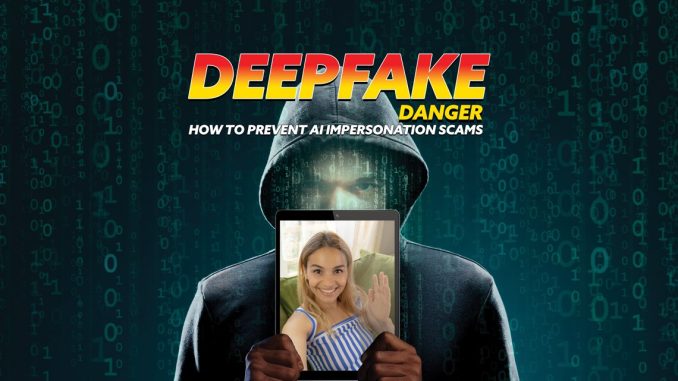
Deepfake technology, once a curiosity confined to research labs and online forums, has quickly matured into one of the most troubling developments in the digital landscape. By using artificial intelligence to generate hyper-realistic audio and video, deepfakes can convincingly depict people saying or doing things they never actually did. On the surface, the technology demonstrates impressive progress in machine learning and creativity. But beneath the novelty lies a darker reality: deepfakes pose profound risks to individuals, businesses, and society at large by eroding trust, amplifying misinformation, and creating new avenues for exploitation.
One of the most immediate dangers of deepfake technology is its ability to spread disinformation. In an era already struggling with fake news and misinformation campaigns, deepfakes take deception to a new level. A fabricated video of a political leader making inflammatory remarks, for example, could circulate widely before fact-checkers have time to respond. Even if the video is later debunked, the damage may already be done, as people often remember the sensational claim rather than the correction. This erosion of trust in visual and audio evidence undermines the very foundation of public discourse, making it harder for citizens to distinguish between truth and manipulation.
The personal risks are equally alarming. Deepfakes have been weaponized in the realm of harassment, particularly through the creation of non-consensual explicit content. Individuals have found their likenesses inserted into compromising videos, often with devastating consequences for their reputations, careers, and mental health. Unlike traditional defamation, these synthetic images and videos are so realistic that proving they are fake can be difficult, leaving victims in a vulnerable position. For professionals and public figures, the possibility of having one’s image manipulated into damaging scenarios creates a chilling effect, raising the stakes for personal and digital security in ways few anticipated.
For businesses, deepfake technology introduces new threats to security and trust. Fraudsters can use AI-generated voices to mimic executives, authorizing fraudulent transactions or tricking employees into disclosing sensitive information. There have already been documented cases of criminals using deepfake audio to impersonate CEOs, leading to significant financial losses. As the technology becomes more sophisticated, distinguishing a genuine directive from a fabricated one will become increasingly difficult, forcing organizations to rethink their protocols for verification and communication. In industries where reputation and trust are critical—such as finance, healthcare, or law—deepfakes represent a particularly dangerous tool for deception.
The legal and ethical challenges surrounding deepfakes add another layer of complexity. While laws against fraud, defamation, and harassment exist, they were not designed for the nuances of synthetic media. Regulators around the world are scrambling to catch up, debating whether to focus on punishing malicious use, regulating platforms that host deepfakes, or investing in detection technology. Meanwhile, the speed of technological innovation continues to outpace legal frameworks. The ambiguity creates loopholes that bad actors exploit, while victims are often left with limited recourse. This gap underscores the urgency of developing not just technological solutions but also policies that balance free expression with protections against harm.
The dangers extend beyond direct harm to individuals or organizations; deepfakes also threaten the collective trust in digital media. When people know that any video or audio could be fabricated, the default reaction may shift from belief to skepticism. This phenomenon, sometimes referred to as the “liar’s dividend,” allows bad actors to dismiss authentic evidence as fake simply by claiming it is a deepfake. A corrupt official caught on tape could argue that the footage is fabricated, sowing doubt even when the evidence is genuine. In this way, the existence of deepfakes undermines confidence in real information, further destabilizing truth in public and private life.
Despite these dangers, it is important to acknowledge that the underlying technology is not inherently malicious. The same AI models that create deepfakes can also generate beneficial applications, from entertainment to education. Filmmakers, for example, can use synthetic media to recreate historical figures or reduce production costs. Language learning platforms might generate realistic conversational partners for students. Even in medicine, researchers are exploring the use of synthetic data to train AI systems without compromising patient privacy. These examples highlight the dual nature of the technology—it can create value when applied responsibly, but its misuse poses risks that society cannot afford to ignore.
Addressing the dangers of deepfakes will require a multi-pronged approach. Technologists are working on detection systems that analyze subtle artifacts in synthetic media, but detection is a constant arms race against increasingly sophisticated generation methods. Businesses must adopt stricter verification processes, such as multi-factor authentication and secure communication channels, to mitigate the risk of impersonation. Governments will need to craft regulations that target harmful uses without stifling innovation, while platforms must take greater responsibility for identifying and removing harmful content. Just as importantly, individuals must become more digitally literate, developing skepticism and critical thinking skills to question what they see and hear online.
The rise of deepfake technology reflects a broader reality about the digital age: every innovation carries both promise and peril. While synthetic media has the potential to transform industries and enable creative expression, its darker applications pose serious threats to trust, security, and social stability. The dangers lie not only in the content itself but in the erosion of confidence in digital evidence. If society cannot trust what it sees or hears, the consequences could reverberate through politics, business, and personal relationships alike.
Ultimately, confronting the risks of deepfakes will demand collaboration across technology, policy, and education. The challenge is not simply to keep pace with innovation but to shape its trajectory in ways that prioritize safety, transparency, and accountability. Deepfake technology may be a testament to human ingenuity, but unless its dangers are managed carefully, it could become one of the most destabilizing forces of the digital era.