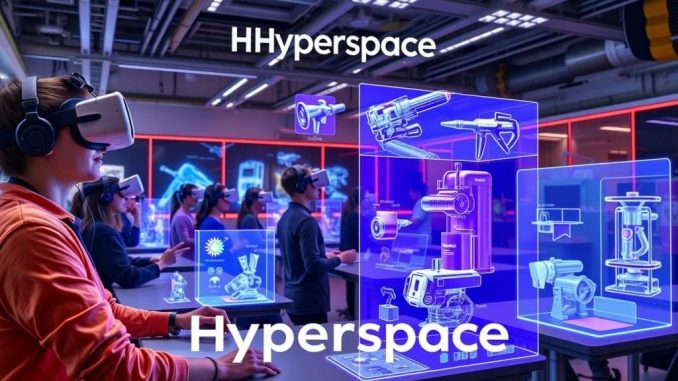
Immersive training technologies are rapidly reshaping the way organizations prepare their workforce for the challenges of tomorrow. By combining advances in virtual reality, augmented reality, and mixed reality, these tools create environments where employees can learn by doing, without the risks or limitations of traditional training methods. The future of immersive training is not simply about adopting new gadgets; it is about transforming the very nature of how people acquire skills, retain knowledge, and apply what they learn in real-world scenarios.
One of the most compelling aspects of immersive training is its ability to replicate complex environments with remarkable accuracy. Whether it is a factory floor, a medical operating room, or a customer service interaction, immersive technologies allow trainees to experience situations that feel authentic. This realism enhances engagement and retention, as learners are more likely to remember lessons when they are tied to vivid, interactive experiences. As the technology continues to evolve, the fidelity of these simulations will only improve, making them even more effective as training tools.
The scalability of immersive training is another factor driving its future adoption. Traditional training often requires physical space, equipment, and instructors, which can be costly and difficult to replicate across multiple locations. Immersive technologies, by contrast, can be deployed virtually anywhere, allowing organizations to train large numbers of employees consistently and efficiently. This scalability is particularly valuable for global enterprises, where maintaining uniform standards across diverse regions is a constant challenge.
Safety is a critical benefit of immersive training, especially in industries where mistakes can have serious consequences. By practicing in simulated environments, employees can make errors, learn from them, and refine their skills without putting themselves or others at risk. This approach is already being used in sectors such as aviation, healthcare, and manufacturing, where the margin for error is slim. As immersive technologies become more accessible, industries beyond these high-risk fields will begin to adopt them, recognizing the value of safe, controlled learning environments.
The personalization of training experiences is another area where immersive technologies are poised to make a significant impact. Unlike traditional one-size-fits-all approaches, immersive platforms can adapt to the needs of individual learners. By tracking performance and analyzing behavior, these systems can tailor scenarios to address specific weaknesses or reinforce strengths. This level of customization ensures that training is not only more effective but also more engaging, as learners feel that the experience is designed specifically for them.
Collaboration is also enhanced through immersive training. Virtual environments can bring together employees from different locations, allowing them to work as a team in scenarios that mimic real-world challenges. This capability fosters stronger communication and problem-solving skills, while also building a sense of connection among dispersed teams. As remote work continues to grow, immersive training will play a vital role in maintaining collaboration and cohesion across organizations.
The integration of artificial intelligence into immersive training platforms will further expand their capabilities. AI can analyze vast amounts of data generated during training sessions, providing insights into performance and suggesting improvements. It can also create adaptive scenarios that evolve in real time based on learner actions, making training more dynamic and responsive. This combination of immersive environments and intelligent feedback represents a powerful step forward in the evolution of workforce development.
Cost efficiency is another driver of immersive training’s future. While the initial investment in hardware and software may seem significant, the long-term savings are substantial. Reduced travel, fewer physical resources, and shorter training cycles all contribute to lower costs. Moreover, the ability to train employees more effectively reduces errors and increases productivity, delivering a strong return on investment. As the technology becomes more mainstream, costs will continue to decrease, making immersive training accessible to organizations of all sizes.
The cultural impact of immersive training should not be underestimated. By offering engaging, interactive experiences, organizations can foster a culture of continuous learning. Employees are more likely to embrace training when it feels relevant and enjoyable, and immersive technologies provide exactly that. This cultural shift supports innovation, adaptability, and resilience, qualities that are essential in today’s fast-changing business environment.
Looking ahead, the future of immersive training technologies will be shaped by ongoing advancements in hardware and connectivity. Lighter, more affordable headsets, improved graphics, and faster networks will make immersive experiences more seamless and accessible. As these technologies become integrated into everyday work environments, the line between training and practice will blur, creating opportunities for employees to learn continuously as they perform their roles.
The potential applications of immersive training extend far beyond traditional corporate settings. Educational institutions, government agencies, and nonprofit organizations are beginning to explore how these tools can enhance learning and development. From preparing students for careers to training emergency responders, immersive technologies offer a versatile solution that can be adapted to a wide range of contexts. This broad applicability ensures that the impact of immersive training will be felt across society, not just within the business world.
Ultimately, the future of immersive training technologies lies in their ability to make learning more effective, engaging, and accessible. By combining realism, scalability, personalization, and collaboration, these tools are redefining how organizations prepare their workforce. As technology continues to advance, immersive training will move from being a novel innovation to a standard practice, shaping the way people learn and grow in the digital age. For businesses committed to staying competitive, embracing immersive training is not just an option—it is a necessity for building the skills and resilience required to thrive in the future.