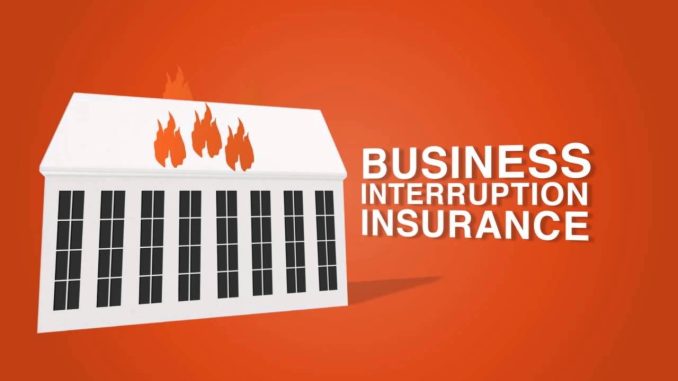
Running a business is a delicate balance between ambition and risk. Entrepreneurs pour time, capital, and energy into building something sustainable, but even the most well-prepared operations can be blindsided by events beyond their control. Natural disasters, fires, cyberattacks, or even a major utility failure can bring business to a standstill. While property insurance may cover physical damage, it doesn’t address the ripple effect of lost income, disrupted operations, and ongoing expenses. That’s where business interruption insurance proves its worth. It’s not just a financial cushion—it’s a strategic safeguard that can mean the difference between temporary setback and permanent closure.
Business interruption insurance steps in when operations are halted due to a covered event. It’s designed to replace lost income and help cover ongoing expenses like rent, payroll, and loan payments during the downtime. This coverage allows businesses to maintain financial stability while they recover, preserving relationships with employees, vendors, and customers. For example, imagine a restaurant forced to close for two months after a kitchen fire. Without business interruption insurance, the owner might struggle to pay staff, cover rent, or keep up with supplier contracts. With it, the business can stay afloat, retain its team, and reopen without having lost its footing.
The power of this coverage lies in its ability to protect the continuity of a business. Disruption doesn’t just affect revenue—it can erode customer trust, damage brand reputation, and create logistical chaos. Business interruption insurance helps mitigate these risks by ensuring that recovery is not only possible but manageable. It buys time, which is often the most valuable resource during a crisis. Whether it’s a manufacturing plant waiting for equipment repairs or a retail store dealing with structural damage, the ability to maintain financial commitments during a shutdown is crucial to long-term survival.
Understanding the scope of business interruption insurance is essential. It typically covers income loss based on historical financial performance, as well as fixed costs that continue regardless of operations. Some policies also include coverage for temporary relocation, allowing businesses to resume operations in a new location while repairs are underway. Others may extend to contingent business interruption, which covers losses resulting from disruptions to suppliers or customers. These nuances matter, especially in industries with complex supply chains or high dependency on third-party vendors. A tech company, for instance, might suffer significant losses if a key data center goes offline, even if its own facilities remain intact.
The COVID-19 pandemic brought renewed attention to business interruption insurance, exposing both its strengths and limitations. Many businesses discovered that their policies excluded coverage for pandemics or government-mandated closures, leading to widespread confusion and frustration. This experience highlighted the importance of understanding policy language, exclusions, and triggers. It also sparked industry-wide conversations about how coverage should evolve to meet emerging risks. As a result, insurers are reexamining policy structures, and businesses are becoming more proactive in evaluating their coverage needs.
Tailoring business interruption insurance to fit specific operations is a strategic move. It requires a clear understanding of revenue streams, expense structures, and potential vulnerabilities. Working with a knowledgeable advisor can help identify the right coverage limits, waiting periods, and endorsements. For example, a seasonal business may need coverage that reflects peak revenue periods, while a service-based firm might prioritize coverage for client retention and contractual obligations. The goal is to align the policy with the realities of the business, ensuring that it provides meaningful support when it’s needed most.
Technology is also enhancing the effectiveness of business interruption insurance. Advanced analytics can model potential disruptions, estimate financial impact, and inform coverage decisions. Digital platforms streamline claims processing, enabling faster payouts and more transparent communication. These innovations make it easier for businesses to engage with their insurance providers, understand their coverage, and respond quickly when a disruption occurs. They also support better risk management, allowing businesses to identify weak points and implement preventive measures.
Business interruption insurance is not just a reactive tool—it’s part of a broader resilience strategy. It complements other forms of coverage, such as property, liability, and cyber insurance, creating a comprehensive shield against uncertainty. It also reinforces the importance of continuity planning, encouraging businesses to think through worst-case scenarios and develop contingency plans. This mindset fosters agility and preparedness, qualities that are increasingly essential in a volatile economic landscape.
Ultimately, the power of business interruption insurance lies in its ability to protect what matters most: the momentum of a business. It ensures that a temporary disruption doesn’t become a permanent setback, and that entrepreneurs can focus on rebuilding rather than scrambling to survive. In a world where unpredictability is the norm, having a policy that supports continuity is not just smart—it’s essential. Whether you’re running a small café or a growing tech firm, business interruption insurance offers the confidence to weather the storm and emerge stronger on the other side.