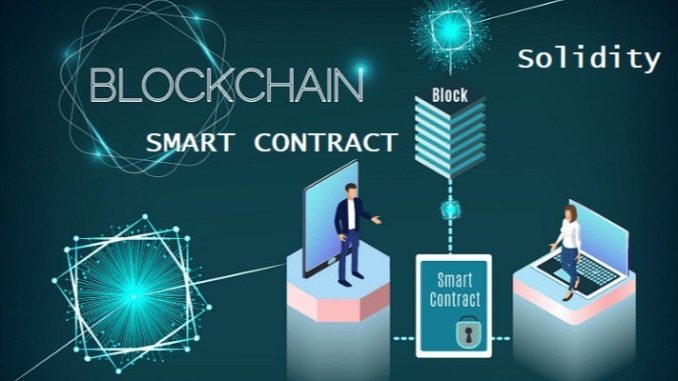
Smart contracts have emerged as one of the most transformative innovations within blockchain technology, reshaping how agreements are executed and enforced in the digital age. At their core, smart contracts are self-executing pieces of code that run on a blockchain, automatically carrying out the terms of an agreement once predefined conditions are met. This automation eliminates the need for intermediaries, reduces costs, and enhances trust, making them a powerful tool for businesses and individuals alike.
The appeal of smart contracts lies in their ability to provide transparency and certainty. Traditional contracts often require third parties such as lawyers, banks, or brokers to verify compliance and enforce terms. This process can be slow, expensive, and prone to disputes. Smart contracts, by contrast, are stored on a blockchain where all participants can view the rules and outcomes. Once the conditions are satisfied, the contract executes automatically, leaving no room for ambiguity. This transparency builds confidence among parties and reduces the likelihood of conflict.
Efficiency is another major advantage. In industries where transactions are frequent and complex, delays caused by manual verification can be costly. Smart contracts streamline these processes by removing bottlenecks and ensuring that actions occur instantly when conditions are met. For example, payments can be released as soon as goods are delivered, or ownership rights can be transferred the moment a purchase is confirmed. This speed not only saves time but also enhances customer satisfaction and operational agility.
Security is a critical factor in the growing adoption of smart contracts. Because they operate on blockchain networks, smart contracts benefit from the immutability and cryptographic protections inherent in the technology. Once deployed, the code cannot be altered without consensus, and all transactions are recorded on a distributed ledger. This makes tampering or fraud extremely difficult. While vulnerabilities in poorly written code remain a concern, the overall security framework of blockchain provides a strong foundation for trust.
The versatility of smart contracts is evident in their wide range of applications. In finance, they enable decentralized lending, automated insurance claims, and seamless trading of digital assets. In supply chain management, they track goods across multiple parties, ensuring transparency and accountability at every stage. In real estate, they simplify property transfers by automating escrow and title verification. Even in entertainment, smart contracts are being used to manage royalties and intellectual property rights, ensuring that creators are compensated fairly and promptly.
One of the most compelling aspects of smart contracts is their ability to reduce reliance on intermediaries. By cutting out middlemen, businesses can lower costs and increase efficiency. This disintermediation also democratizes access to services, allowing smaller players to participate in markets that were previously dominated by large institutions. For instance, decentralized finance platforms powered by smart contracts have opened up investment opportunities to individuals worldwide, bypassing traditional banks and brokers.
Smart contracts also foster innovation by enabling new business models. Decentralized autonomous organizations, or DAOs, are governed entirely by smart contracts, allowing communities to make collective decisions without centralized leadership. This model has the potential to revolutionize governance, investment, and collaboration, creating organizations that are more transparent and responsive to their members. Similarly, tokenization of assets through smart contracts is unlocking liquidity in markets such as real estate and art, allowing fractional ownership and broader participation.
Despite their promise, smart contracts are not without challenges. Writing secure and reliable code requires expertise, and errors can lead to costly consequences. Legal recognition of smart contracts also varies across jurisdictions, raising questions about enforceability in traditional courts. Moreover, the irreversible nature of blockchain transactions means that mistakes cannot be easily corrected. Addressing these issues will require collaboration between technologists, regulators, and legal experts to create frameworks that balance innovation with accountability.
The evolution of smart contracts is closely tied to advancements in blockchain scalability and interoperability. As networks become faster and more capable of handling large volumes of transactions, smart contracts will be able to support increasingly complex applications. Interoperability between different blockchains will further expand their utility, allowing contracts to operate seamlessly across diverse ecosystems. These developments will pave the way for broader adoption and integration into mainstream business practices.
Looking ahead, the power of smart contracts lies in their ability to redefine trust in digital interactions. By embedding rules directly into code and executing them automatically, they shift trust from institutions to technology. This paradigm change has profound implications for how businesses operate, how individuals engage in commerce, and how societies organize themselves. As smart contracts continue to mature, they will become a cornerstone of digital infrastructure, enabling more efficient, secure, and inclusive systems.
The journey toward widespread adoption will require education and awareness. Many businesses still view blockchain and smart contracts as complex or experimental. Demonstrating practical use cases and tangible benefits will be key to overcoming skepticism. As more organizations experience the efficiencies and cost savings firsthand, confidence in the technology will grow, accelerating its integration into everyday operations.
Ultimately, smart contracts represent a powerful convergence of technology and trust. They embody the promise of blockchain by delivering automation, transparency, and security in a way that traditional systems cannot match. While challenges remain, the trajectory is clear: smart contracts are poised to reshape industries, empower individuals, and redefine the very nature of agreements in the digital era. Their power lies not only in what they can do today but in the endless possibilities they unlock for the future.