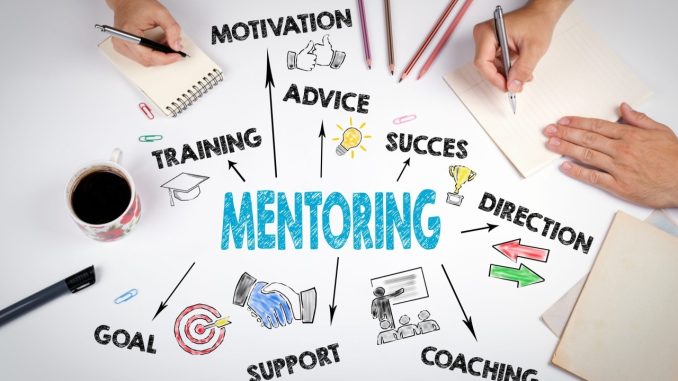
Mentorship in education is often an understated yet transformative force. While much attention is given to curriculum design, teaching methods, and standardized testing, the role of mentorship quietly shapes the trajectories of countless learners. It is not always formal, nor is it always recognized, but its influence runs deep. A mentor does more than share knowledge; they provide guidance, encouragement, and perspective that can alter the way students see themselves and their future. In many cases, the unseen power of mentorship in education is what turns potential into achievement, shaping not only academic outcomes but also personal growth and long-term career paths.
The unique value of mentorship lies in its human connection. Unlike traditional teaching, which often emphasizes the transfer of information from teacher to student, mentorship is about relationship and trust. When a mentor invests in a learner, they acknowledge not only their current abilities but also their potential. For a student who struggles with confidence, this belief can be life-changing. A teacher who takes the time to notice a student’s interest in writing, for example, and encourages them to pursue it beyond class assignments is not simply offering advice—they are validating the student’s identity as a writer. This affirmation can spark a level of motivation and persistence that no textbook or lecture could achieve.
Mentorship also serves as a bridge between knowledge and application. In education, students often learn theories and concepts without a clear sense of how these ideas connect to the real world. A mentor helps make those connections tangible. Consider a university student studying business who partners with an experienced professional through a mentorship program. The mentor can share practical insights into industry challenges, decision-making, and leadership that textbooks cannot capture. This context transforms abstract lessons into actionable wisdom, equipping the student with not just knowledge but also the confidence to navigate complex situations. In this way, mentorship complements formal learning by grounding it in lived experience.
Beyond practical guidance, mentors also model behaviors and mindsets that shape learners in profound ways. Observing how a mentor approaches challenges, communicates with others, or makes ethical decisions can be as instructive as any formal lesson. These observations often stick with mentees long after the content of a particular lecture has faded. For instance, a student who witnesses their mentor handling conflict with patience and respect learns more about leadership in that moment than from any case study. By embodying qualities such as resilience, empathy, and integrity, mentors provide learners with a living example of what it means to succeed not just academically or professionally, but personally.
The power of mentorship is particularly evident in how it addresses inequality in education. Students from underrepresented backgrounds often face barriers that go beyond academics, including limited access to networks, resources, and role models. A mentor can play a crucial role in bridging those gaps. By offering guidance on navigating systems, sharing opportunities, and providing encouragement, mentors can help level the playing field. For example, a first-generation college student might feel overwhelmed by the complexities of higher education, from financial aid to career planning. A mentor who has walked a similar path can demystify these processes, providing not only practical advice but also reassurance that success is possible.
In business contexts, the parallels are clear. Just as employees benefit from mentors who help them navigate career decisions and workplace dynamics, students thrive when they have mentors to guide them through academic and personal challenges. Organizations that invest in mentoring programs, both for employees and for students through community partnerships, recognize that growth is not simply about acquiring knowledge but about cultivating confidence, direction, and resilience. For businesses, supporting mentorship in education can also serve as a pipeline for future talent, fostering individuals who enter the workforce better prepared and more self-assured.
Technology has further expanded the reach of mentorship in education. Virtual platforms now allow students to connect with mentors across the globe, making guidance accessible beyond local communities. This has created opportunities for cross-cultural learning, where students gain insights not only into their chosen fields but also into global perspectives. A student interested in entrepreneurship, for instance, can connect with a mentor in another country and learn firsthand about different markets, challenges, and innovations. This kind of mentorship prepares learners for a world where collaboration and competition are increasingly global, offering them a broader understanding of possibilities and pathways.
Despite its power, mentorship often remains undervalued in formal education systems. Because it is not easily measured or standardized, it can be overlooked in favor of more tangible metrics like test scores or graduation rates. Yet, countless stories reveal how a single mentor changed the course of a student’s life. Whether it is a teacher who encouraged a hesitant speaker to pursue public speaking, a coach who instilled discipline and perseverance, or a professor who opened doors to research opportunities, these relationships leave lasting marks that cannot be captured in traditional assessments. Recognizing mentorship as an essential component of education means acknowledging that learning is as much about relationships as it is about content.
Ultimately, the unseen power of mentorship in education lies in its ability to unlock human potential. It transforms classrooms from places of instruction into communities of growth, where students are not only taught but also guided, supported, and inspired. It equips learners with more than academic skills; it gives them the confidence to take risks, the resilience to overcome setbacks, and the vision to pursue goals that might have once seemed unattainable. For educators, professionals, and organizations, investing in mentorship is a way to amplify the impact of education, ensuring that learners are not only prepared for the next test but for the challenges and opportunities of life itself. In a world that often prioritizes outcomes over relationships, mentorship reminds us that the most powerful lessons come not from what we are told, but from the people who believe in us and walk alongside us in our journey.