Neural networks are one of the most talked-about concepts in modern technology, especially in the context of artificial intelligence. Yet for many people outside the tech world, the term can sound abstract or intimidating. In simple terms, a neural network is a computer system designed to mimic the way the human brain processes information. It’s not a replica of the brain, but it’s inspired by how neurons work together to recognize patterns, make decisions, and learn from experience. This approach has become central to many of the tools and services we use every day, from voice assistants and recommendation engines to fraud detection and medical diagnostics.
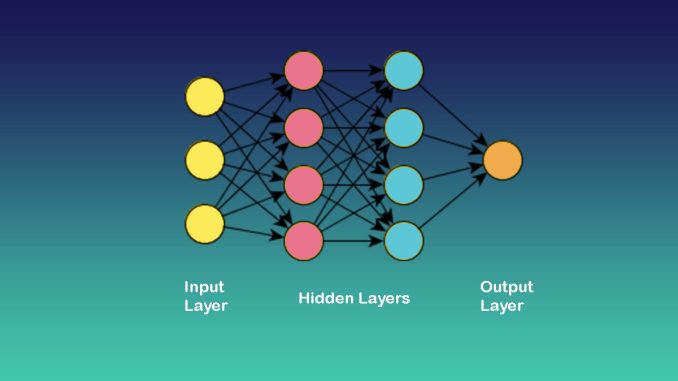
To understand how a neural network functions, it helps to picture a network of interconnected nodes. Each node represents a neuron, similar to those in the brain, and each connection between nodes carries a weight that determines how strongly one neuron influences another. When data enters the system—say, an image, a sentence, or a financial transaction—it flows through these layers of neurons. Each layer processes the data in a specific way, passing it forward until the network produces an output. That output might be a prediction, a classification, or a decision. What makes neural networks powerful is their ability to adjust the weights of these connections based on feedback, improving their accuracy over time.
This learning process is what sets neural networks apart from traditional rule-based systems. Instead of being explicitly programmed with instructions, neural networks learn by example. If you want a neural network to recognize cats in photos, you don’t write code that defines what a cat looks like. Instead, you feed it thousands of labeled images—some with cats, some without—and let it figure out the patterns that distinguish one from the other. Over time, the network becomes better at identifying cats, even in images it has never seen before. This ability to generalize from data is what makes neural networks so useful in real-world applications.
In business, neural networks are being used to solve problems that were once considered too complex or time-consuming. In finance, they help detect fraudulent transactions by spotting subtle anomalies in spending behavior. In healthcare, they assist in diagnosing diseases by analyzing medical images with remarkable precision. In retail, they power recommendation engines that suggest products based on customer preferences and browsing history. These systems don’t just follow static rules—they adapt to new data, learn from outcomes, and improve their performance over time. This makes them ideal for environments where conditions change rapidly and decisions need to be made quickly.
One of the reasons neural networks have gained so much traction is their versatility. They can be applied to structured data, like spreadsheets and databases, as well as unstructured data, such as text, images, and audio. This flexibility allows businesses to extract insights from sources that were previously difficult to analyze. For example, a company might use a neural network to scan customer reviews and identify emerging trends or sentiment shifts. Another might use it to automate quality control by analyzing product images for defects. These applications not only enhance efficiency but also unlock new opportunities for innovation and differentiation.
Despite their capabilities, neural networks are not magic. They require large amounts of data, careful tuning, and significant computational resources. Training a neural network can be time-consuming and expensive, especially for complex tasks. Moreover, the decisions made by neural networks can be difficult to explain, which raises concerns in areas like law, healthcare, and finance where transparency is critical. This has led to growing interest in explainable AI—techniques that make neural network decisions more understandable to humans. Businesses adopting neural networks must balance performance with accountability, ensuring that their systems are not only effective but also ethical and trustworthy.
It’s also important to recognize that neural networks are part of a broader ecosystem of machine learning techniques. They are particularly well-suited to tasks involving pattern recognition and prediction, but they are not always the best choice. Simpler models may be more appropriate for problems with limited data or where interpretability is a priority. The key is to understand the strengths and limitations of neural networks and to use them strategically within a larger data science framework. When applied thoughtfully, they can deliver significant value and drive meaningful transformation.
In essence, neural networks represent a shift in how we approach problem-solving with technology. Instead of relying solely on human-defined logic, we’re teaching machines to learn from experience, adapt to new information, and uncover patterns that might elude even the most skilled analysts. This doesn’t replace human intelligence—it complements it, enabling us to tackle challenges with greater speed, scale, and sophistication. For business leaders, understanding neural networks in simple terms is not just a technical exercise—it’s a strategic imperative. As these systems become more embedded in products, services, and decision-making processes, the ability to engage with them thoughtfully will be a defining factor in future success.